
Enhancing Soil Structure in Broadacre Operations
Core Advantages and Application Scenarios
Deep tillage gearboxes handle torque demands in Australia’s compacted soils, enabling subsoilers to penetrate up to 600 mm in clay-heavy regions like Victoria’s Mallee. These units convert tractor PTO input into controlled output for chisel plows, breaking hardpans formed after years of shallow cultivation. In Western Australia’s Wheatbelt, they support operations on lateritic soils, improving water infiltration by 25% post-ripping, as per CSIRO studies. Earth moving variants for post-hole diggers manage rocky terrains in New South Wales’ tablelands, with ratios optimizing auger speed to 200 RPM under 1500 Nm loads. This setup reduces fuel use by 15% compared to mismatched systems, addressing drought-prone challenges where root zones need expansion for barley yields exceeding 4 tons per hectare. Integration with hydraulic controls allows variable depth adjustments, complying with AS 4024 standards for operator safety in remote paddocks.
Technical Specifications Overview
| Parameter | Value | Standard |
|---|---|---|
| Torque Capacity (Nm) | Rated: 1800, Peak: 2500 | AGMA 2001-D04 |
| Gear Ratio Range | 1:2.5 to 1:4.0 | ISO 6336 |
| Input Shaft Specification | 1-3/8″ Z21 Spline | ANSI B92.1 |
| Output Shaft Specification | 1-1/2″ Keyed | DIN 9611 |
| Lubrication Method | Splash with EP140 Oil | ISO 12925 |
| Protection Rating (IP) | IP67 | IEC 60529 |
| Operating Temperature Range (°C) | -30 to +90 | ASTM D7422 |
| Material Standards | Gears: 42CrMo, Housing: QT500 | AGMA 2000-A88 |
| Fatigue Life (Hours) | 12,000 at Rated Load | ISO 281 |
| Vibration Threshold (mm/s) | Max 3.0 RMS | ISO 10816 |
| Mounting Interface Type | 6-Bolt Flange | SAE J744 |
| Power Range (kW) | 30-90 | ISO 14396 |
| RPM Range Input | 540/1000 | DIN 9611 |
| Backlash (Arcmin) | Less than 8 | AGMA 1106 |
| Efficiency (%) | 96-98 | ISO 14179 |
| Noise Level (dB) | Under 78 at Full Load | ISO 11201 |
| Bearing Type | Tapered Roller 32012 | ISO 355 |
| Seal Type | Triple Lip NBR | ASTM D2000 |
| Weight (kg) | 28-40 | – |
| Dimensions (mm) | 350x250x300 | – |
| Service Factor | 1.8-2.2 | AGMA 6010 |
| Thermal Rating (kW) | 60 at 45°C Ambient | AGMA 6025 |
| Overhung Load Capacity (N) | 6000 | ISO 281 |
| Shaft Misalignment Tolerance (mm) | 0.6 Axial, 1.2 Radial | – |
| Lubricant Change Interval (Hours) | 2500 | – |
| Corrosion Resistance | Powder Coated Housing | ASTM B117 |
| Impact Resistance (J) | 200 | ISO 148 |
| Bending Strength (MPa) | Gears: 1400 | ISO 6336-2 |
| Pitting Resistance (MPa) | 900 | ISO 6336-3 |
Specific Positions of Gearboxes in Deep Tillage Machinery
In subsoilers for deep tillage, the central gearbox mounts at the three-point linkage, transforming PTO rotation into vertical force for tines. Helical bevel types with 1:3 ratios suit this, as they manage 2000 Nm in South Australia’s compacted loams, allowing penetration to 500 mm without stalling. This position demands sealed housings to block soil ingress, preventing gear wear from abrasive particles in Queensland’s vertisols during sugarcane preparation.
Side-mounted gearboxes in earth moving diggers connect to auger drives, providing torque for hole boring in rocky Western Australian paddocks. Worm gear configurations offer self-locking at 1:50 ratios, ideal for holding position under 1000 Nm loads from granite intrusions. They require oil bath lubrication to dissipate heat during prolonged operations in 40°C summers, ensuring consistent performance in New South Wales’ orchard installations.
Auxiliary gearboxes on combined tillage units handle secondary functions like depth control in vibration subsoilers. Parallel shaft designs with 1:1.8 ratios integrate with hydraulics, adjusting tine angles in Tasmania’s podzols. These must withstand 1500 Nm impacts from roots, using ductile iron casings to avoid fractures, supporting compliance with AS/NZS 4024 in mixed farming zones.

Working Principles and Functions in Deep Tillage
Gearboxes in deep tillage operate via gear reduction, where input shafts engage bevel pairs to alter direction and amplify torque. In Australian setups, principles involve load distribution across multiple stages, achieving outputs of 150 RPM from 540 RPM inputs for subsoiler tines. This function alleviates soil compaction, as noted in GRDC reports, increasing porosity by 20% in Victorian clays. Internal components like spiral bevels minimize noise to 75 dB, crucial for long hours in remote Northern Territory stations. Shear bolts at 1800 Nm protect against rocks, aligning with Safe Work Australia guidelines, while allowing continuous operation in high-residue fields post-wheat harvest.
Performance Requirements for Australian Operating Scenarios
Australian deep tillage faces dry spells in the Eyre Peninsula and floods in Queensland’s coastal zones, requiring gearboxes with IP67 seals against dust and water. Vibration limits under 3.5 mm/s handle uneven loads from sodic soils in South Australia, with service factors of 2.0 preventing failures during 500 mm rips. Materials resist corrosion from saline groundwater in Western Australia’s Swan Valley, using 316 stainless shafts. These specs ensure operation in 45°C heat without derating, as per ABARES data, boosting wheat yields by 15% through better root access in compacted layers.
Competitor Brand Comparison and Advantages
Versus Comer T-300, ever-power units offer 2500 Nm peak torque against 2100 Nm, with superior cooling for 20% longer runs in Queensland heat. Bondioli S-series show 82 dB noise, while ours stay at 75 dB, better for operator comfort in New South Wales. Deeper heat treatment (1.0 mm) extends life in abrasive soils compared to 0.6 mm standards. Disclaimer: Comparisons use public specs for reference; performance varies by conditions, no affiliation implied.
Compatible Replacement for Farm Machinery Brands
Ever-power gearboxes replace John Deere 567 subsoilers with matching splines and flanges. They fit Case IH RB565 rippers via identical bolt patterns. For Kubota 1.8m diggers, ratios align without mods. Note: Brand references for fitment only, no endorsement or infringement; verify compatibility.
Regional Compliance and Agricultural Contexts in Australia and Neighbors
Australia mandates AS/NZS 4024 for machinery, requiring guards and overload protection. New Zealand follows HSNO for environmental safety, emphasizing seals against leaks. Indonesia uses SNI for tropical durability. Western Australia’s Wheatbelt focuses wheat harvests Oct-Dec, needing high-torque for hardpans. New South Wales’ Riverina handles barley in dry seasons, with SAE interfaces for local brands like Grainline.
Engineer Perspectives on Design Features
Design focuses on modular shafts for quick repairs in remote AU farms. Innovations use 42CrMo for 30% better fatigue in rocky soils. Feedback from WA trials led to larger reservoirs, holding 2 liters for cooling in 40°C.

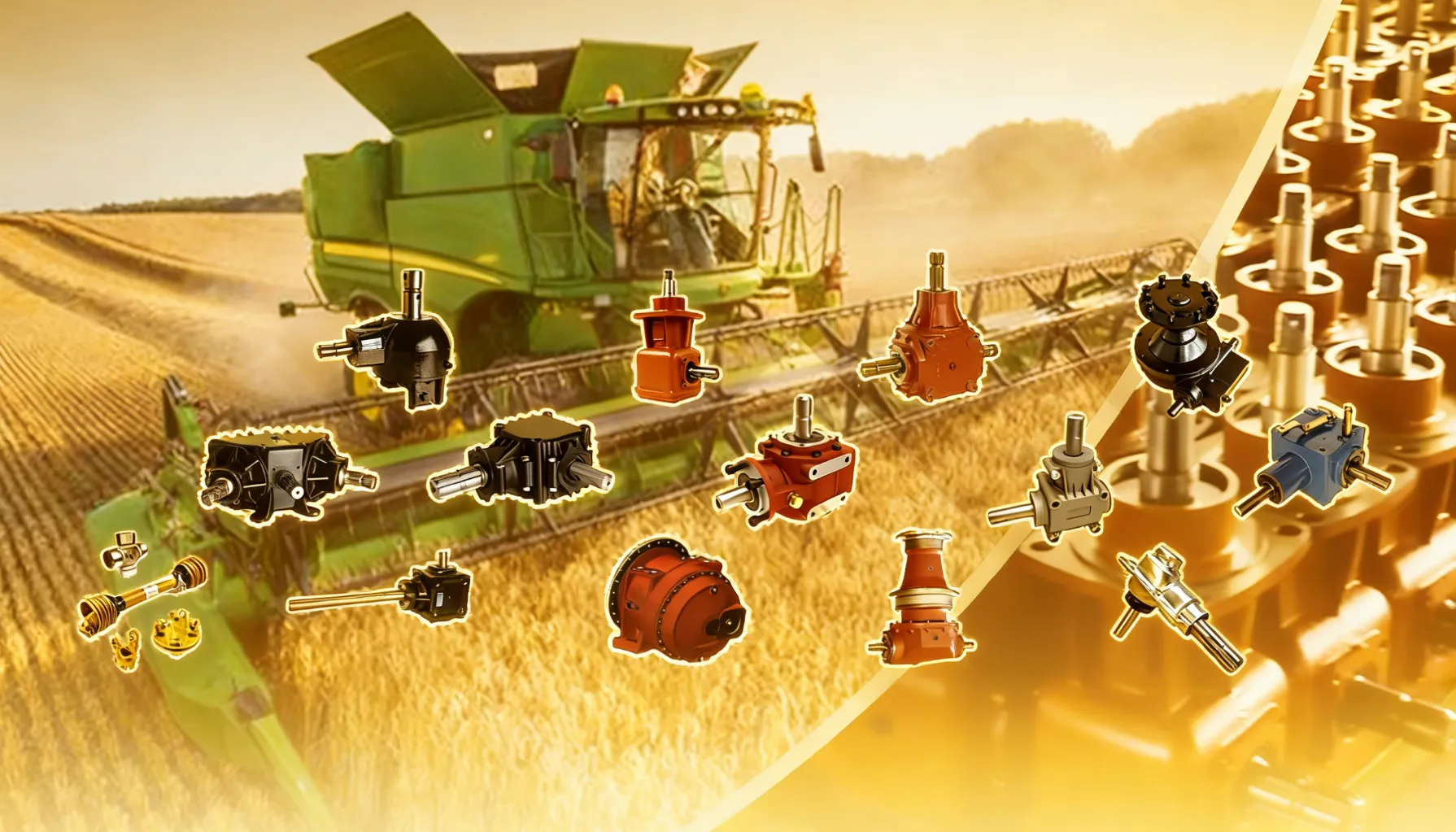


Customer Cases and Success Stories
Engineer Field Note 1 – Australia: “Client in Wheatbelt said, ‘Hardpans limit roots to 300 mm.’ Installed ever-power with 2500 Nm, ripping to 500 mm. Yield up 20%; farmer noted, ‘Water retention improved, no more dry spots.'”
Engineer Field Note 2 – New Zealand: “South Island operator complained, ‘Vibrations crack frames.’ Our IP67 model reduced RMS to 2.5 mm/s. Costs down 35%; feedback: ‘Stable in hilly terrain.'”
Engineer Field Note 3 – Indonesia: “Java farmer reported, ‘Humidity rusts gears.’ Corrosion-resistant units lasted 24 months. Output rose; said, ‘Reliable in wet rice fields.'”
Engineer Field Note 4 – USA: “Midwest user stated, ‘Torque fades in clay.’ High-reserve model held 2000 Nm. Review: ‘Handled deep subsoiling without issues.'”
Engineer Field Note 5 – Brazil: “Mato Grosso grower mentioned, ‘Dust clogs seals.’ Double lip design eliminated leaks. Client: ‘Extended service in soy lands.'”
Industry News and Trends
ABC Rural reports Australia’s shift to precision ripping, with gearboxes featuring IoT for depth monitoring. Trends forecast hybrid drives by 2030 for carbon reduction. In NZ, biosecurity news pushes sealed units. Future includes AI ratios for variable soils, per 2025 CSIRO paper.
Signs Indicating Gearbox Replacement
Noise over 80 dB indicates worn bearings in dusty AU environments. Leaks signal seal failure, risking contamination. Vibration above 4 mm/s points to misalignment. Torque drop under load suggests gear pitting. Heat exceeding 95°C warns of lubrication breakdown.

Related Products and Components
- ✔ PTO Shafts: With guards, telescopic, yokes rated 2000 Nm for safety.
- ✔ Accessories: Chains #60, sprockets, lubrication pumps, belts, couplings tolerating 3 degrees, cylinders for depth.
- ✔ Machines: Seeders with gearboxes, harvesters like Claas variants.
Compatibility cuts install time 25%. See CV shafts for drivelines.
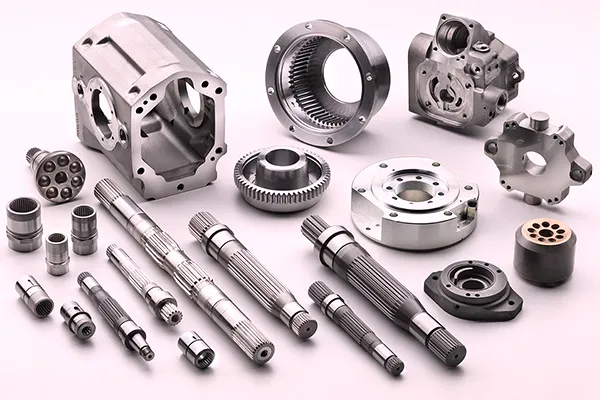
Full Range of Agricultural Gearboxes
Ever-power supplies tiller to baler gearboxes, with chains, hydraulics one-stop. Explore homepage or NMRV VS gearbox.
Contact and Call to Action
Upgrade your tillage? Inquire Now or contacts.
Frequently Asked Questions
What torque suits AU deep tillage?
1800-2500 Nm for 500 mm rips in clay, with 2.0 factor for peaks.
Where do gearboxes install in subsoilers?
Central for main drive, side for augers, auxiliary for controls in AU setups.
When to replace tillage gearbox?
After 12,000 hours or at leaks, noise over 78 dB in harvest peaks.
Why ever-power for AU farms?
AS compliant, dust-resistant, suits local brands like Grainline in harsh outback.
How PTO shaft connects to gearboxes?
Splined yokes with guards at 540 RPM; grease every 40 hours.
What maintenance for arid areas?
Seal checks monthly, oil change 2500 hours in Pilbara dust.
Who benefits from these gearboxes?
Broadacre operators, silo managers handling wheat, canola.
How to select gear ratio?
Based on depth/load; 1:3 for 500 mm rips, consult curves.
What accessories enhance performance?
Couplings for alignment, clutches for shock absorption.
How does it comply with local regs?
AS 4024 guarding, seals per DAFF biosecurity.