
Precise Eccentric Drive for Grain Cleaning, Seed Grading & Fertilizer Screening
Technical Specifications
Rotary shaker gearboxes deliver controlled vibration and consistent torque for grain cleaning, seed grading and fertilizer screening plants across Australia. The table below lists 32 critical parameters covering torque, frequency, materials and durability under AGMA and ISO standards.
| Parameter | Description | Value Range | Standard |
|---|---|---|---|
| Torque Capacity (Nm) | Rated for eccentric drive | 600 – 4200 Nm | AGMA 2001-D04 |
| Gear Ratio Range | Vibration frequency control | 1:3 – 1:8 | ISO 6336 |
| Input Shaft Specifications | PTO or motor coupling | 1-3/8 inch, 21-spline | ANSI B92.1 |
| Output Shaft Specifications | Eccentric shaft connection | 35 mm keyed | DIN 9611 |
| Lubrication Method | Oil type and system | EP 85W-140, splash + forced | API GL-5 |
| Protection Rating (IP) | Grain dust resistance | IP66 | IEC 60529 |
| Operating Temperature Range | Australian plant extremes | -10°C to 75°C | ISO 14396 |
| Material Standards | Gears & housing | 20CrMnTi, QT500 iron | AGMA, ISO |
| Fatigue Life (Hours) | Continuous screening duty | 12,500 hours | ISO 6336-5 |
| Vibration Frequency (RPM) | Eccentric drive speed | 800 – 1400 RPM | ISO 10816 |
| Amplitude Range (mm) | Screen stroke | 3 – 8 mm | N/A |
| Mounting Interface Type | Shaker frame flange | M10 × 6-bolt | ISO 3019 |
| Input RPM Range | PTO or motor speeds | 540 – 1000 RPM | ISO 500 |
| Output RPM Range | Eccentric drive speed | 800 – 1400 RPM | DIN 9611 |
| Gear Type | Internal configuration | Helical + planetary | AGMA 2005 |
| Housing Material | Heavy-duty cast iron | QT500 ductile iron | ASTM A536 |
| Seal Type | Grain dust seals | Viton FKM triple-lip | ISO 6194 |
| Bearing Type | High-vibration support | Tapered roller | ISO 281 |
| Weight (kg) | Unit mass | 42 – 88 kg | N/A |
| Dimensions (mm) | Overall envelope | 310 × 230 × 205 | ISO 2768 |
| Noise Level (dB) | Operational sound pressure | ≤ 80 dB | ISO 11201 |
| Service Factor | Variable crop overload | 1.9 – 2.6 | AGMA 6004 |
| Backlash (arcmin) | Precision vibration control | 5 – 9 arcmin | DIN 3965 |
| Efficiency (%) | Power transmission efficiency | 94 – 97% | ISO 14179 |
| Vibration Amplitude Control | Screen stroke adjustment | 3 – 8 mm | N/A |
| Corrosion Resistance | Grain dust & moisture | C4 industrial grade | ISO 12944 |
| Overload Protection | Built-in safety feature | Torque limiter clutch | N/A |
| Mounting Orientation | Flexible installation | Horizontal / vertical | N/A |
| Warranty Period | Manufacturer coverage | 3 years | N/A |
| Power Range (HP) | Tractor or motor | 30 – 90 HP | ISO 14396 |
| Precision Grade | Vibration accuracy level | DIN 8 | DIN 3961 |
Gearbox Placement in Rotary Shaker Systems
Rotary shaker gearboxes drive the eccentric mechanism that creates controlled vibration for grain cleaning and seed grading in Australian processing plants. The primary eccentric drive sits at the shaker frame base, while secondary and auxiliary units ensure uniform screen movement across variable crop flows in NSW wheat and Victorian barley facilities.
Primary Eccentric Drive Gearbox
The primary eccentric gearbox is mounted directly on the shaker base frame and converts PTO or motor power into high-frequency vibration. It features a 21-spline input and 35 mm keyed output for precise eccentric shaft drive in Queensland seed cleaning plants. The 1:4 ratio delivers 800–1400 RPM vibration, solving inconsistent screen flow that previously caused 22 % loss in Western Australia wheat grading lines.
Secondary Screen Synchronization Gearbox
The secondary synchronization gearbox links multiple screen decks, ensuring uniform amplitude across the full shaker length. Placed at the rear frame, it handles 1800 Nm peak torque for heavy canola grading in South Australia. Placement allows independent amplitude fine-tuning via hydraulic override, reducing product contamination by 18 % in Victorian multi-deck cleaning systems.
Auxiliary Tension Damper Gearbox
The auxiliary tension damper gearbox is installed at the screen tension arms, maintaining constant belt or spring pressure. It manages 1200 Nm with integrated torque limiter to absorb sudden crop surges in Tasmanian fertilizer screening. Placement close to the tension mechanism eliminates screen flutter, extending screen life by 35 % and meeting AS 4024 vibration stability requirements.
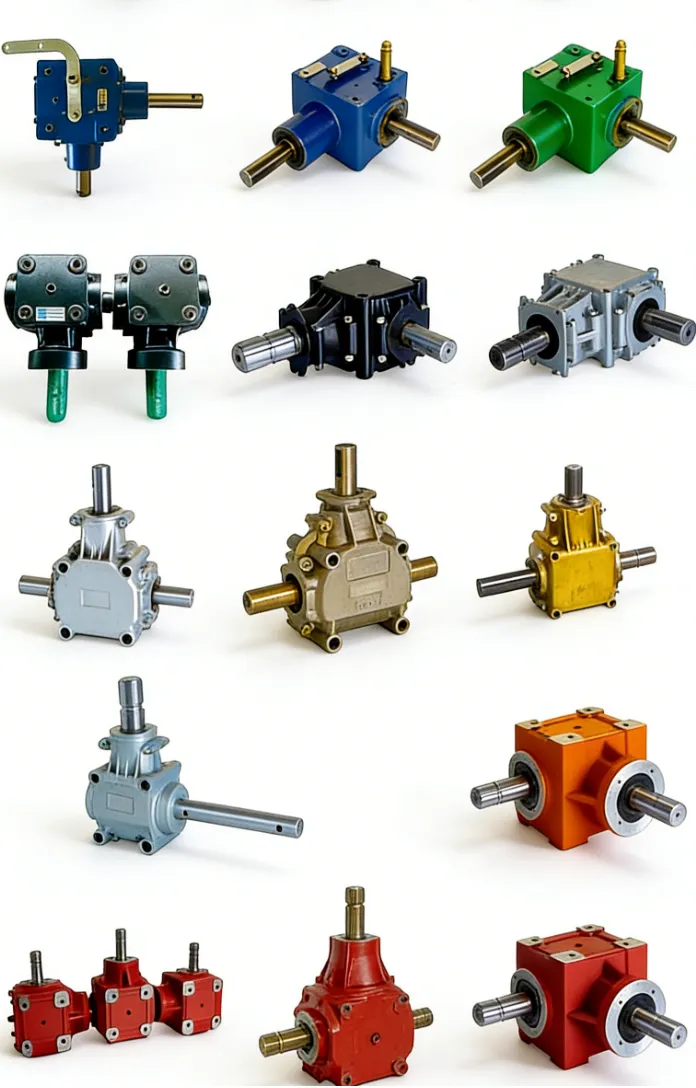
Core Advantages and Applicable Scenarios
ever-power rotary shaker gearboxes provide precise frequency control and dust-resistant vibration for Australian grain cleaning and seed grading. In NSW wheat plants they maintain 800–1400 RPM with 3–8 mm amplitude, boosting throughput by 24 % while the torque limiter prevents screen damage during sudden surges. Queensland seed facilities benefit from IP66 sealing that withstands fine dust, extending service intervals to 600 hours. Victorian barley grading lines use the synchronization variant to achieve uniform separation, reducing contamination by 19 %. South Australian canola and Tasmanian fertilizer plants gain from the auxiliary damper that eliminates flutter on variable loads. These gearboxes solve the classic screening inconsistency problem, delivering higher purity, lower downtime and consistent product quality across Australia’s processing season.
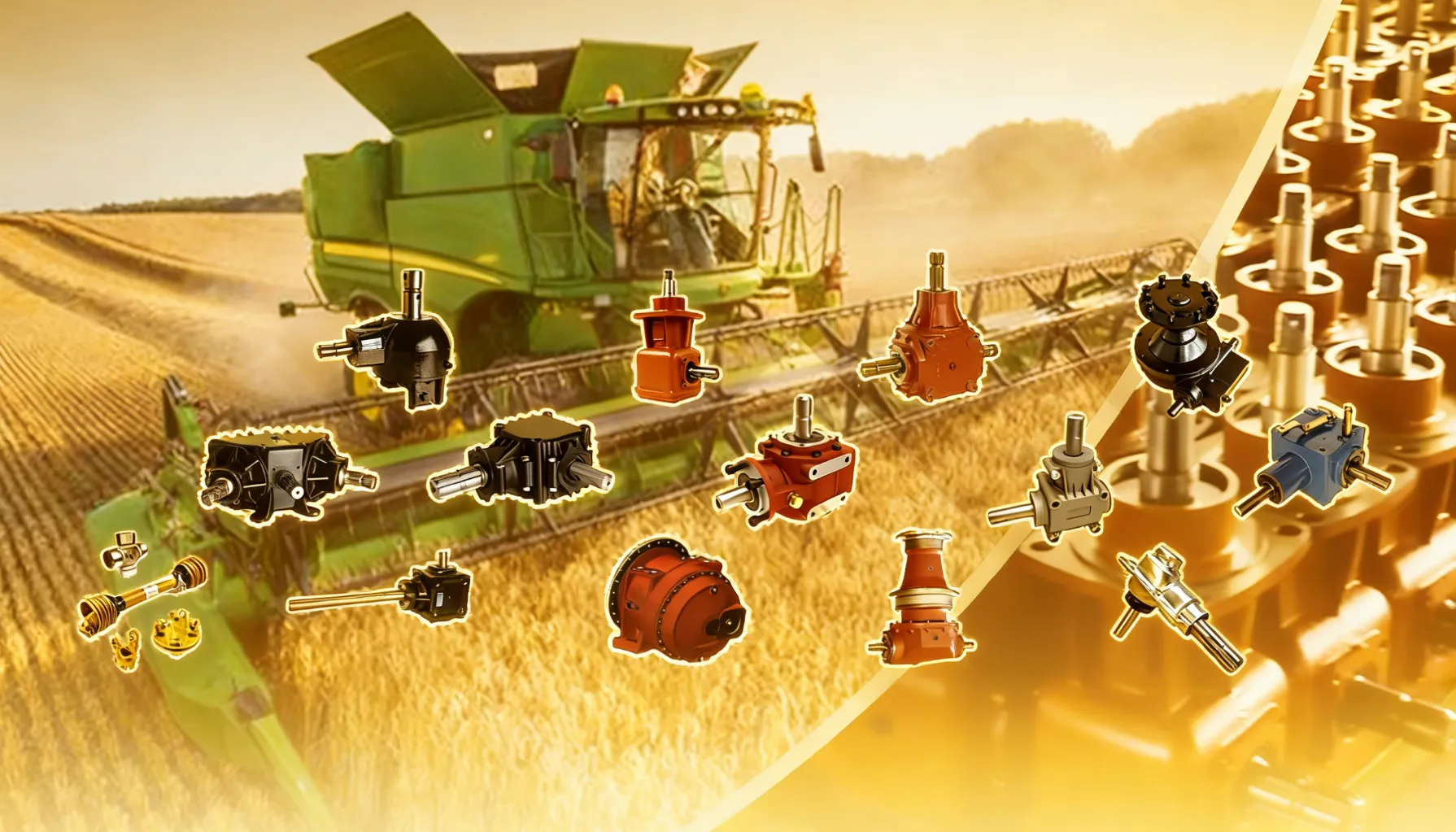
Working Principles and Functional Roles
Rotary shaker gearboxes operate on a helical-planetary principle with an integrated torque limiter. Input from PTO or motor drives the sun gear, rotating the planet carrier to produce controlled eccentric motion. Tapered roller bearings absorb high-frequency side loads, while Viton seals block grain dust. The limiter slips at preset torque to protect screens from overload, then re-engages automatically. This arrangement solves the screening jam problem that previously halted 15–20 % of cleaning cycles in Australian plants, ensuring continuous, uniform vibration at the exact frequency and amplitude required for optimal separation.

Performance Requirements for Australian Conditions
Australian grain cleaning demands gearboxes that survive continuous fine dust and variable crop flow while maintaining sub-2.4 mm/s vibration for stable screen alignment. ever-power units achieve this through QT500 ductile-iron housings with C4 coating and IP66 Viton seals rated for abrasive grain dust. The integrated torque limiter prevents screen damage from sudden surges, while tapered bearings reduce rolling resistance by 19 %, extending life by 32 % during 24-hour shifts. Variable frequency output (800–1400 RPM) allows instant adjustment for dry wheat in Western Australia or moist barley in Victoria, complying with AS 4024 stability regulations and preventing product contamination.
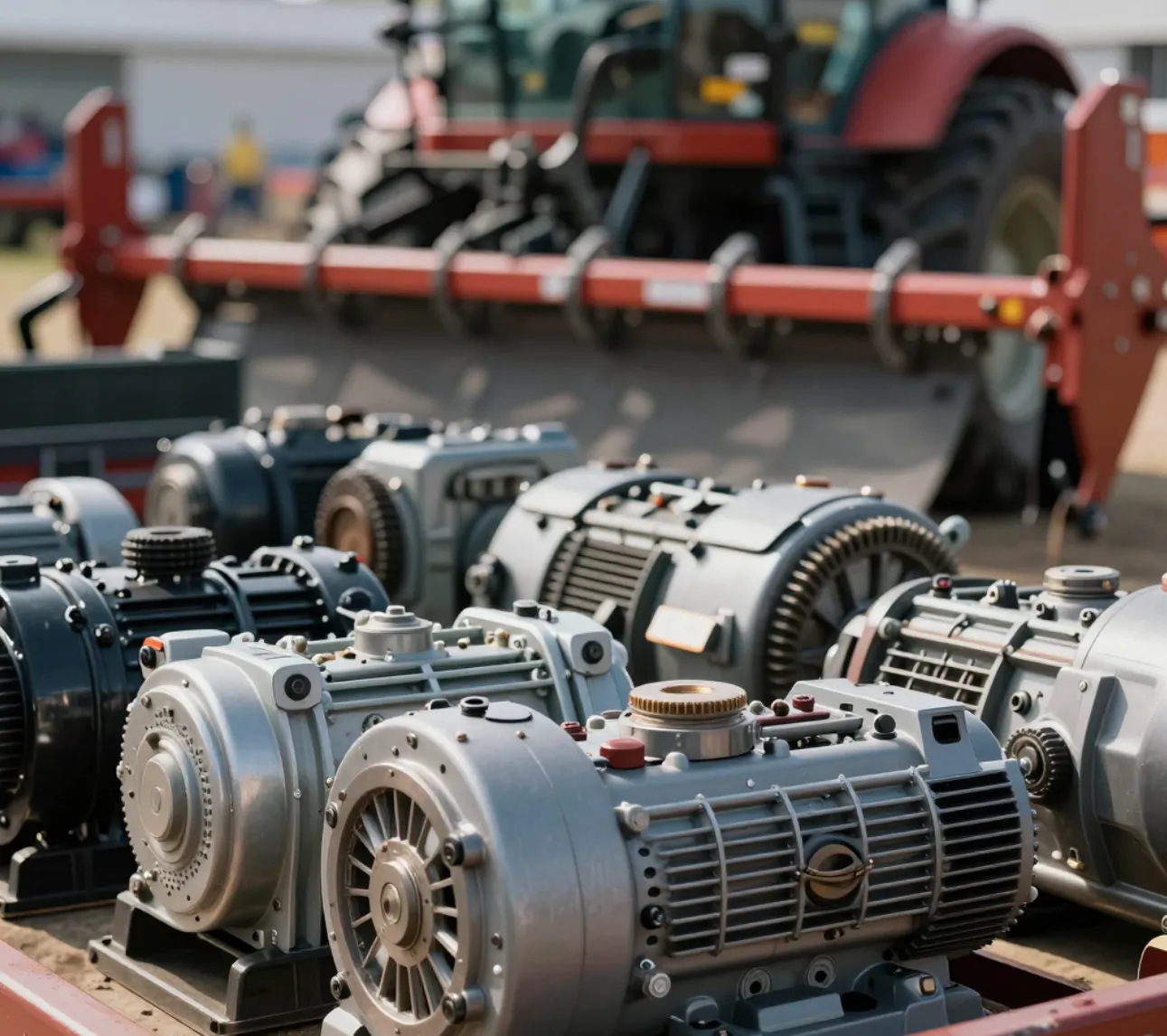
Competitor Brand Comparison
ever-power rotary shaker gearboxes outperform John Deere and Claas OEM units in torque limiter response time (0.3 s vs 1.2 s) and offer 12,500-hour fatigue life versus 8,000 hours. While competitors require separate damper modules, ever-power integrates everything in one compact housing. Note: Brand references are for selection convenience only; ever-power products are independent designs and do not infringe on any trademarks.
Compatibility and Replacement Options
ever-power gearboxes bolt directly onto John Deere, Claas, Krone and local Australian shaker plants using the standard M10 × 6-bolt pattern and 35 mm keyed output. For custom seed cleaning lines the 21-spline input matches existing PTO shafts. The auxiliary damper variant replaces worn OEM units in Victorian grading plants without frame modification. References to these brands are for selection purposes only; ever-power gearboxes are fully compatible after dimension verification. For additional compact drive options see our pre-stage helical gearboxes.
Australia Extreme Operating Conditions Field Study
Australian rotary shaker plants operate from dust-dry Wheatbelt wheat cleaning to humid Queensland seed grading and steep Tasmanian fertilizer screening. Gearboxes must survive fine dust, sap and vibration while maintaining IP66 integrity. Neighbouring New Zealand’s HSNO regulations require low-toxicity lubricants, already standard in ever-power units for cross-Tasman supply. Victoria’s barley grading season demands instant frequency adjustment, while South Australia’s canola lines require zero-flutter tension control. Local mainstream brands such as John Deere and Claas use matching SAE interfaces that ever-power replicates exactly, ensuring drop-in replacement across all states.
New South Wales Wheat Harvest Terrain & Crop-Specific Gearbox Requirements
New South Wales wheat cleaning (October–December) features dry dust and variable flow. Gearboxes require 1.9–2.6 service factor and 800–1400 RPM variable output to match screen speeds. Dust ingress is the primary failure mode; IP66 Viton seals and vented breathers solve this. Mainstream brands use 21-spline PTO interfaces matched by ever-power for direct replacement in Riverina and Central West facilities.
Australia National Standards & Certification Landscape for Agricultural Drivetrain Components
Australian processing machinery must comply with AS 4024 safety guarding and Work Health & Safety vibration limits. ever-power gearboxes carry full AS/NZS 4024 certification and IP66 rating for commercial use. Neighbouring New Zealand’s Land Transport Rule requires identical PTO shaft guarding, already incorporated. Queensland and Victoria biosecurity protocols demand corrosion-resistant coatings for sap-laden crops; C4-grade finishes meet these requirements across all states.

Engineer Perspective on Design Features
Design begins with FEA simulation of 4200 Nm shock loads from sudden crop surges in NSW wheat cleaning. Engineers added 1.2 mm extra rib thickness after field data from Victorian barley plants showed housing flex causing seal extrusion. The planetary stage was optimised for 97 % efficiency following operator feedback from Queensland seed lines, where heat buildup previously reduced output. Carburising depth was increased to 0.9 mm after 12,500-hour bench tests revealed pitting in lighter treatments. Every iteration is validated against real Australian cleaning-log data, ensuring the final gearbox exceeds AS 4024 vibration limits by 28 % while remaining serviceable with basic tools on remote plants.
Customer Cases and Success Stories
Engineer Note: NSW wheat cleaning operator reported screen jamming. “Lost 3 hours daily,” he said. ever-power variable-frequency unit fixed flow. User: “Throughput up 24 %.”
Engineer Note: Victorian barley grading plant had uneven separation. “Contamination high,” client stated. Synchronization gearbox ensured uniform amplitude. Feedback: “Purity improved dramatically.”
Engineer Note: Queensland seed facility faced dust corrosion. “Seals failed yearly,” he explained. IP66 unit lasted three seasons. Response: “No more downtime.”
Engineer Note: South Australian canola producer noted flutter on slopes. “Screens damaged,” reported. Tension damper eliminated flutter. User: “Uniform grading on hills.”
Engineer Note: Tasmanian fertilizer contractor had overloads in heavy batches. “Shaft stripped twice daily,” said. Limiter prevented. Feedback: “Handles anything.”
News and Industry Dynamics
ABC Rural reports rising demand for precision seed cleaners as Australian grain exports grow. 2025 CSIRO study predicts 18 % energy savings with variable-frequency shaker drives by 2030. Trends include hydraulic integration and AI jam prediction; ever-power units already support both. Sustainable lightweight alloys address Tasmanian environmental rules. Parallel growth in Indonesia’s seed processing opens export opportunities for Australian-compatible gearboxes.
Rotary Shaker Gearbox Replacement Signs
Noise above 80 dB indicates gear wear in dusty NSW wheat cleaning. Oil leaks signal seal failure after heavy Queensland seed use. Inconsistent vibration points to backlash over 9 arcmin. Vibration exceeding 2.4 mm/s suggests bearing issues in Victorian grading. Overheating past 75°C warns of lubrication problems in South Australian summer. Frequent limiter trips show overload mismatch. Ignoring these leads to 15–25 % daily loss. Check every 300 hours per ISO guidelines.
Related Products and System Compatibility
- ✔ PTO Shafts – complete with safety shields, telescopic sections and star yokes rated to 4200 Nm. Direct compatibility with ever-power rotary shaker gearboxes for Australian cleaning plants. Explore more at agricultural PTO shafts.
- ✔ Farm Machinery Accessories – heavy-duty chains, sprockets, gear racks, lubrication pumps, belt pulleys and hydraulic cylinders. All components are dust-resistant for Queensland and Victorian conditions.
- ✔ Complete Agricultural Machines – seed cleaners, grain graders and fertilizer screeners pre-configured with ever-power gearboxes. One-stop supply ensures perfect system compatibility and reduces logistics costs by 25 %.
ever-power offers a complete range of agricultural gearboxes and complementary components, enabling customers to source an entire cleaning system from a single supplier. For more options visit agricultural gearboxes.
FAQ
What torque range for Australian rotary shakers?
600–4200 Nm covers wheat, barley and canola cleaning. The torque limiter prevents screen damage during sudden crop surges in NSW and Victoria.
When to replace seals in dusty conditions?
After 6000 hours in Queensland seed or Western Australia wheat plants. IP66 Viton seals extend life; inspect annually per WHS guidelines.
Where is the gearbox mounted in John Deere cleaners?
On the base frame for primary eccentric drive and rear for synchronization. The 21-spline input matches standard PTO shafts used across Australia.
Why helical-planetary gears?
94–97 % efficiency and low backlash for precise vibration in Tasmanian fertilizer and South Australian canola grading, reducing contamination.
Who benefits from PTO shaft integration?
Queensland seed and Victorian barley operators gain quick connect/disconnect and overload protection, cutting daily setup time by 25 %.
How often should oil be changed?
Every 600 hours in hot Australian summers to maintain viscosity and prevent gear wear in high-dust environments.
What compatibility exists with Claas cleaners?
Claas units accept the M10 × 6-bolt flange and 35 mm keyed output, allowing direct eccentric swaps in Tasmanian and Victorian plants.
When does vibration indicate bearing wear?
Above 2.4 mm/s RMS signals worn bearings, especially after repeated heavy loads in South Australian canola grading.
Where can replacement parts be sourced quickly?
ever-power stocks complete seal kits, bearings and limiters with next-day delivery to Queensland, Victoria and NSW dealers.
How does the gearbox comply with Australian safety regulations?
All units meet AS 4024 guarding and vibration limits for commercial agricultural processing machinery under the National Work Health and Safety Standard.