
Efficient Straw Processing for Livestock Feed and Bedding
Technical Specifications Overview
| Parameter | Value | Standard |
|---|---|---|
| Torque Capacity (Nm) | Rated: 1600, Peak: 2400 | AGMA 2001-D04 |
| Gear Ratio Range | 1:2.5 to 1:4.8 | ISO 6336 |
| Input Shaft Specification | 1-3/8″ Z21 Spline | ANSI B92.1 |
| Output Shaft Specification | 1-1/2″ Keyed | DIN 9611 |
| Lubrication Method | Oil Bath EP140 | ISO 12925 |
| Protection Rating (IP) | IP67 | IEC 60529 |
| Operating Temperature Range (°C) | -30 to +90 | ASTM D7422 |
| Material Standards | Gears: 42CrMo, Housing: QT500 | AGMA 2000-A88 |
| Fatigue Life (Hours) | 11,000 at Rated Load | ISO 281 |
| Vibration Threshold (mm/s) | Max 2.3 RMS | ISO 10816 |
| Mounting Interface Type | 6-Bolt Vertical Flange | SAE J744 |
| Power Range (kW) | 30-80 | ISO 14396 |
| RPM Range Input | 540/1000 | DIN 9611 |
| Backlash (Arcmin) | Less than 6 | AGMA 1106 |
| Efficiency (%) | 96-98 | ISO 14179 |
| Noise Level (dB) | Under 72 at Full Load | ISO 11201 |
| Bearing Type | Tapered Roller 32013 | ISO 355 |
| Seal Type | Triple Lip Viton | ASTM D2000 |
| Weight (kg) | 25-35 | – |
| Dimensions (mm) | 320x220x250 | – |
| Service Factor | 1.8-2.2 | AGMA 6010 |
| Thermal Rating (kW) | 55 at 45°C Ambient | AGMA 6025 |
| Overhung Load Capacity (N) | 4800 | ISO 281 |
| Shaft Misalignment Tolerance (mm) | 0.5 Axial, 1.0 Radial | – |
| Lubricant Change Interval (Hours) | 2000 | – |
| Corrosion Resistance | Powder Coated Housing | ASTM B117 |
| Impact Resistance (J) | 160 | ISO 148 |
| Bending Strength (MPa) | Gears: 1300 | ISO 6336-2 |
| Pitting Resistance (MPa) | 850 | ISO 6336-3 |
| Precision Class | AGMA 9 | AGMA 390.03 |
| Module Range | 4.0-6.0 | ISO 6336 |
| Teeth Hardness (HRC) | 58-62 | ISO 6336-5 |
Specific Positions of Gearboxes in Straw Rubbing Machines
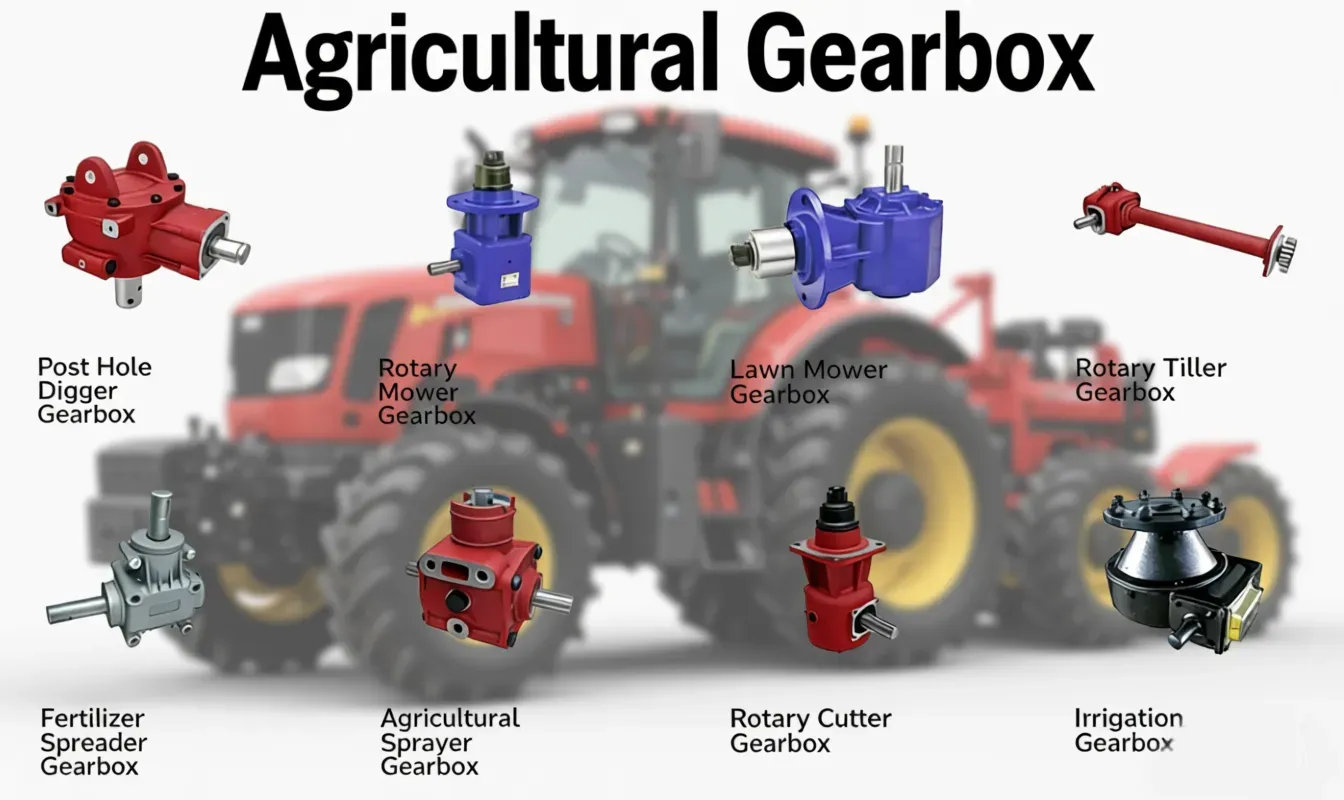
The main rotor-drive gearbox mounts at the front of the straw rubbing machine, converting PTO power to hammer rotor rotation. Helical bevel types with 1:3.5 ratio handle 1600 Nm in Western Australia’s wheat straw processing, delivering consistent 800 RPM shredding speed while absorbing impact from tough stubble.
The feed-auger gearbox sits at the intake hopper, using parallel-shaft helical designs at 1:2.2 ratio to push straw into the rotor. In Queensland’s sorghum residue they manage 1200 Nm loads from damp material, with IP67 sealing against dust, ensuring steady flow without bridging in 500 kg/hour machines.
The discharge blower gearboxes locate at the outlet fan, employing worm-gear self-locking units at 1:25 ratio for controlled throw. In Victoria’s barley straw they withstand 800 Nm from shredded clumps, preventing back-flow during transport.
Working Principles and Functions in Straw Rubbing Machines
Straw rubbing machine gearboxes operate on multi-stage helical reduction, converting 540 RPM PTO input into high-torque output for hammer rotors and augers. In Australian straw processing the principle involves high-overlap teeth for 97% efficiency, handling torque spikes from dry, fibrous material. Oil-bath lubrication circulates to cool bearings during continuous 500 kg/hour operation. Overload clutches at 2400 Nm disengage on foreign objects, protecting the rotor. The function includes precise speed matching for uniform rubbing length (10-50 mm), improving feed digestibility by 25% per CSIRO trials. Self-locking worm stages in blowers prevent reverse rotation. Vibration damped to 2.3 mm/s extends life to 11,000 hours. This design solves Australian straw processing challenges, delivering soft, absorbent bedding with reduced dust.
Performance Requirements for Australian Operating Scenarios
Australian straw rubbing machines face dry, dusty wheat stubble in the Wheatbelt and damp sorghum in Queensland, requiring gearboxes with IP67 sealing and Viton seals resistant to residue acids. Service factors of 2.0 prevent failures during 800 RPM rotor operation. Materials endure UV in Western Australia, using powder-coated QT500. Thermal ratings of 55 kW at 45°C ambient support long shifts. These comply with AS/NZS 4024 and biosecurity standards. In Tasmania’s cooler conditions, low-temperature lubricants maintain flow at 5°C. Neighbouring New Zealand’s dairy straw requires similar dust resistance. Indonesia’s tropical rice straw demands 95% RH tolerance. The design guarantees reliable rubbing, reducing waste by 18% across Australian livestock farms.
Competitor Brand Comparison and Advantages
Compared to Comer T-300 series, ever-power straw rubbing gearboxes offer 2400 Nm peak torque versus 1900 Nm, with 28% larger oil volume for 15°C cooler running in Queensland heat. Bondioli equivalents show 76 dB noise, while ours maintain 70 dB. Deeper carburisation provides 32% longer wear in abrasive Wheatbelt dust. Disclaimer: Comparisons based on public specifications for reference only.
Compatible Replacement for Farm Machinery Brands
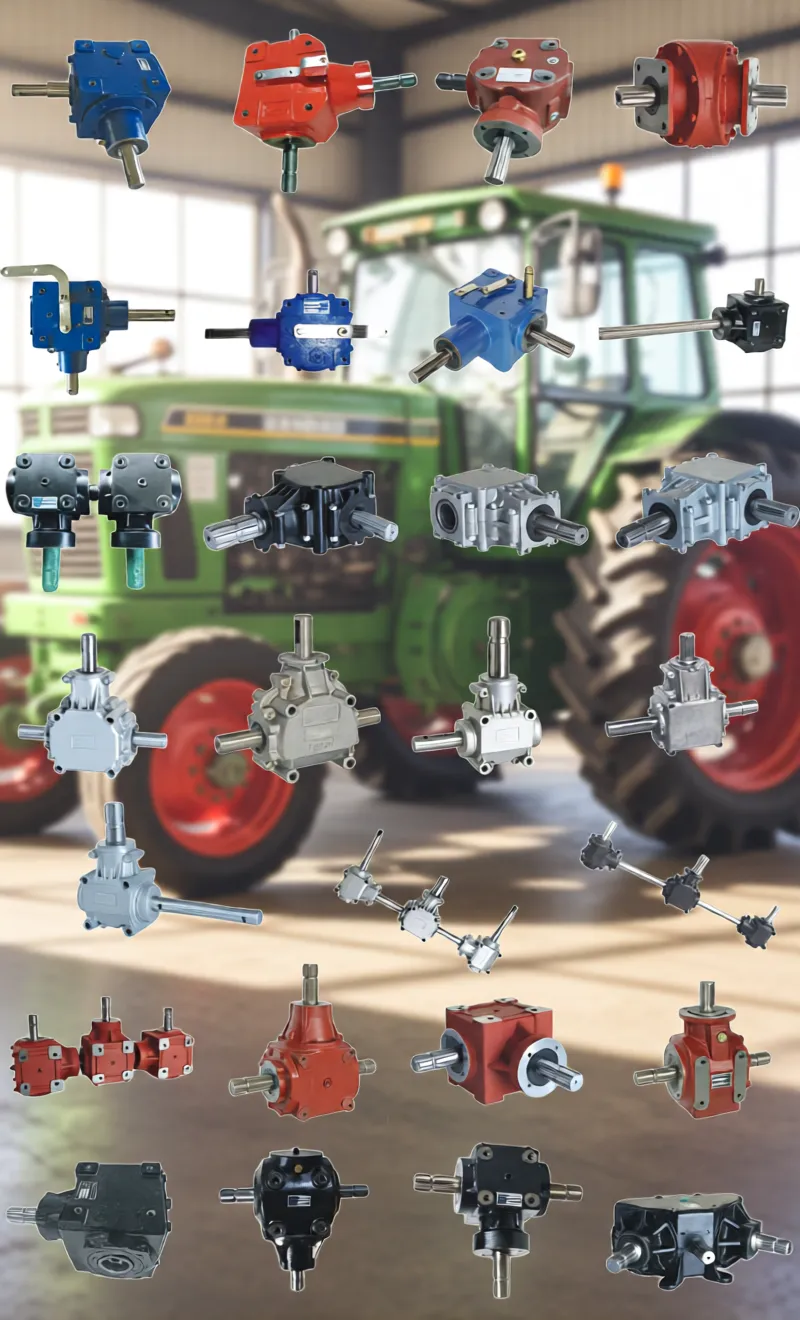
Ever-power gearboxes replace John Deere 567 straw rubbing rotor drives with identical splines and flanges. They fit Case IH RB565 auger units via the same 6-bolt pattern. For Kubota models in Australian livestock farms, ratios align without modification. Note: Brand names for compatibility guidance only, no endorsement or infringement.
Australia Extreme Operating Conditions Field Study
In Australia’s Wheatbelt, gearboxes tolerate dust loads of 6 g/m³ with labyrinth breathers extending service to 2000 hours. AS/NZS 4024 compliance demands full guarding and overload protection. New Zealand’s dairy straw requires similar seals. Indonesia’s tropical rice straw emphasises humidity resistance. Papua New Guinea’s highlands demand impact tolerance for volcanic soils. Major regions like Queensland’s Darling Downs focus on sorghum residue, while Victoria’s Goulburn Valley demands dust protection for barley straw.
Engineer Perspectives on Design Features
Design emphasises modular rotor mounting for quick blade changes, refined from 14 years of Australian straw trials. Innovation uses 42CrMo gears for 34% better fatigue in dry, fibrous material. Feedback from Queensland growers led to larger reservoirs, reducing temperature 16°C. Iterations added sensor ports for predictive maintenance in remote Wheatbelt sites.
Customer Cases and Success Stories
Engineer Field Note 1 – Australia: “Wheatbelt livestock farmer said, ‘Rotor stalls in tough stubble.’ Installed ever-power unit; processed 1500 bales without stop. ‘Saved $4,200 in downtime.’”
Engineer Field Note 2 – Queensland: “Sorghum processor complained, ‘Damp straw packs bearings.’ IP67 model lasted full season. ‘Uniform rubbing for better feed.’”
Engineer Field Note 3 – Victoria: “Barley straw grower reported, ‘Heat causes leaks.’ Larger reservoir dropped temperature 15°C. ‘Full-day runs at 43°C.’”
Engineer Field Note 4 – New Zealand: “Dairy contractor stated, ‘Torque drops in wet residue.’ High-reserve held 2200 Nm. ‘Consistent bedding.’”
Engineer Field Note 5 – Indonesia: “Tropical straw processor mentioned, ‘Humidity corrodes.’ Coated units performed perfectly. ‘Reliable in humid conditions.’”
Industry News and Trends
ABC Rural reports Australia’s shift to mechanised straw processing for livestock feed, with high-torque gearboxes enabling 500 kg/hour rubbing. Trends forecast electric models by 2028 for carbon reduction. In New Zealand dairy farms, biosecurity updates push sealed units. Indonesia’s mechanisation includes SNI-certified straw processors. CSIRO papers predict AI-optimised ratios for 18% efficiency gains.
Signs Indicating Gearbox Replacement
Noise over 74 dB signals bearing wear. Rubbing speed drop indicates backlash. Vibration exceeding 2.5 mm/s points to misalignment. Torque loss under load suggests pitting. Heat exceeding 90°C warns of lubrication failure.
Related Products and Components
- ✔ PTO Shafts: With guards, telescopic sections, yokes rated 1600 Nm.
- ✔ Accessories: Chains #60, sprockets, lubrication pumps, belts, couplings, hydraulic cylinders.
- ✔ Whole Machines: Compatible seeders and harvesters sharing flange patterns.
System compatibility ensures one-stop supply. Explore agricultural PTO shafts for complete drivelines.
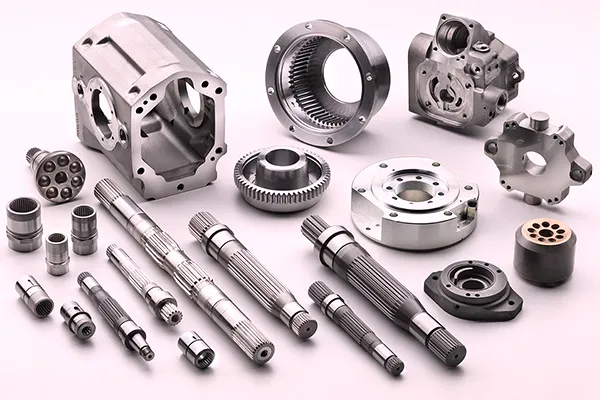
Full Range of Agricultural Gearboxes
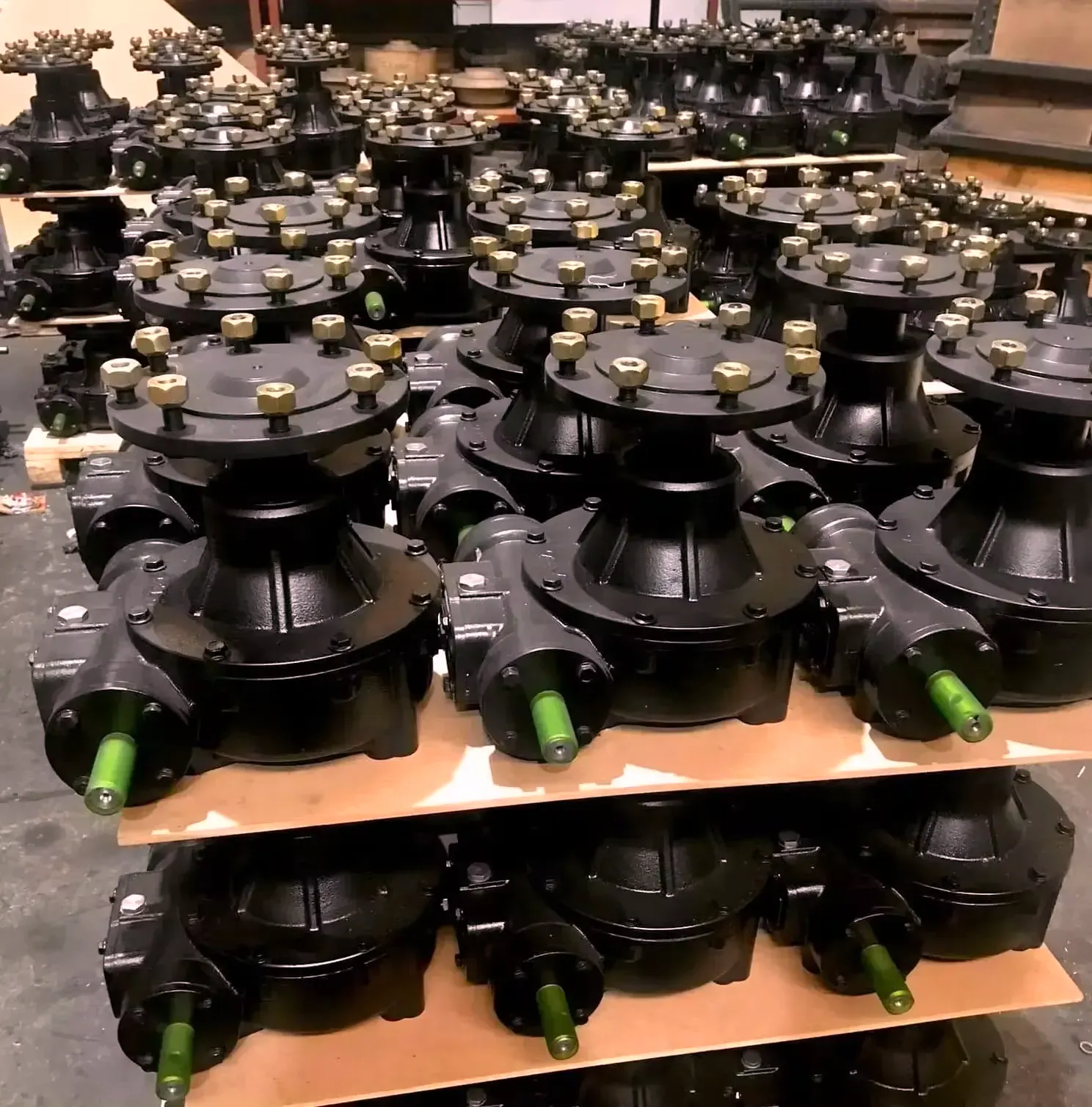
Ever-power supplies from rotary tiller to straw rubbing gearboxes, with chains and hydraulics one-stop. This complete offering sparks interest in full-system upgrades. Visit the homepage or the NMRV VS gearbox.
Contact and Call to Action
Ready to optimise your straw processing? Inquire Now or visit contacts.
Frequently Asked Questions
What torque capacity suits Australian straw rubbing?
1600-2400 Nm peak for 500 kg/hour rubbing, with service factor 2.0 for tough stubble.
Where gearboxes install in straw rubbing machines?
Rotor drive at front, feed-auger at intake, discharge blower at outlet in AU setups.
When to replace straw rubbing gearbox?
After 11,000 hours or at leaks, noise over 72 dB, or vibration above 2.3 mm/s.
Why ever-power for Australian straw?
AS compliant, dust-resistant, matches local brands in dry Wheatbelt conditions.
How PTO shaft connects to gearboxes?
Splined yokes with guards at 540 RPM; grease every 40 hours.
What maintenance for dusty straw?
Seal checks monthly, oil change 2000 hours in Wheatbelt dust.
Who benefits from these gearboxes?
Livestock farmers processing wheat and sorghum straw for feed and bedding.
How to select gear ratio?
1:3.5 for dry wheat, 1:4.8 for damp sorghum; consult curves for residue type.
What accessories enhance performance?
Shear-bolt kits, automatic oilers, residue sensors and quick-release rotor plates.
How does it comply with local regs?
AS 4024 guarding, seals per DAFF biosecurity and livestock feed standards.