
Product Description
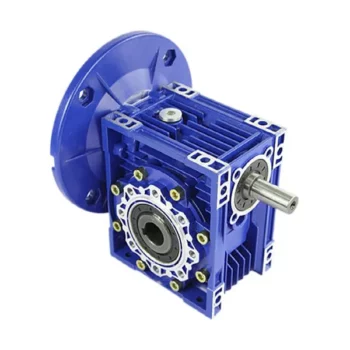
S series helical worm gear box
Description:
S series gearmotors mounting type as same as SEW and FLENDER. Gear precision are above grade 6 (DIN), ground by profile grinding machine.
1. S series helical gearboxes with compact construction, install easier.
2. Little vibration and low noise, with high transmission efficiency. More than 96%.
3. The material of gears is 20CrMnTi alloy steel and the hardness can reach to HRC58~62; After tempering, cementiting, quenching etc. Heat treatment. All the gears are processed by accurate grinding and the precision can reach to grade 6~5.
4. The products have been mainly used in chemical machinery, cement agitator machinery, printing and packaging machinery, mine and power transmission machinery, metallurgy etc.
Models:
S37-97
SA37-97
SF37-97
SAF37-97
SAT37-97
SAZ37-97
Advantages:
1: Compact design, small volume, nice appearence and strong capacity of being overloaded.
2: Pecise division and wide selection range for transmission ratio.
3: The efficiency is up to as high as 96% with low energy consumption, excellent function, small vibration and low noise.
4: All-purpose use, convenient and low cost maintenance.
5: New seal device.
6: Varied options of the mounting position, motor combination.
Specifications:
This gear speed reducer is a new transmission machine designed & manufactured by worm- helical gear transmission principle.
1. High mechanical efficiency: 94%-98% (depends on the transmission steps);
2. Input form: Flange input, direct motor input, shaft input;
3. Materials of gear speed reducer body: HT250high-strength cast iron;
4. Materials of shafts: 42CrMo alloy steel;
5. Materials of gears: 20CrMnTi alloy steel;
6. Heat treatment: Tempering, cementiting, quenching;
7. Surface hardness of gears: HRC58° -62 ° ;
8. Maching precision of gears: 6-5GRADE;
9. Brand of bearings: HRB, LYC, ZWZ, NSK;
10. Noise of gear speed reducer: 60-68dB
Advantages of S series helical-worm gear reducer
1 with high technical contents.
2 Save space, durable, high bear ability.
3 Low consumption, superior performance, the machine efficiency is up to more than 95%.
4 Small vibration, low noise, high energy conservation.
Packaging & Shipping
Packing: Wooden case
Port: ZheJiang
Our Services
All gearboxes are 12 to 18 month warranty
FAQ:
1, Q: What’s your business type?
A: Manufacturer
2, Q: What’s your main products?
A: Power transmission gearboxes and gears.
Such as: Industrial HB gearbox, worm/helical/bevel/planetary gearbox, heavy duty gearbox, gearbox for crane/extruder/excavator/rolling mill/cement mill, etc.
3, Q: What about your warranty?
A: 12 to 18 months warranty according to different products and lifetime service.
4, Q: What’s your MOQ?
A: 1 piece for different gearboxes.
5, Q: Can you supply customized gearboxes or gears?
A: Yes, we can. Mostly depend on your requirements.
6, Q: What information should be given, if I want to buy gearbox?
A: Gearbox ratio, type, input speed, rated power. More details, better!
| Application: | Industry |
|---|---|
| Hardness: | Hardened Tooth Surface |
| Installation: | Horizontal Type |
| Layout: | Coaxial |
| Gear Shape: | Bevel Gear |
| Step: | Three-Step |
| Customization: |
Available
| Customized Request |
|---|
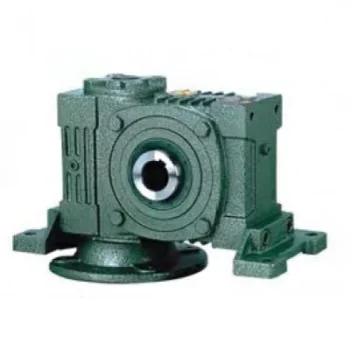
Calculating Gear Ratio in a Worm Reducer
The gear ratio in a worm reducer is determined by the number of teeth on the worm wheel (also known as the worm gear) and the number of threads on the worm shaft. The gear ratio formula for a worm reducer is:
Gear Ratio = Number of Teeth on Worm Wheel / Number of Threads on Worm Shaft
For example, if the worm wheel has 60 teeth and the worm shaft has a single thread, the gear ratio would be 60:1.
It’s important to note that worm reducers have an inherent self-locking property due to the angle of the worm threads. As a result, the gear ratio also affects the mechanical advantage and the system’s ability to resist backdriving.
When calculating the gear ratio, ensure that the worm reducer is properly designed and that the gear ratio aligns with the desired mechanical characteristics for your application. Additionally, consider factors such as efficiency, load capacity, and speed limitations when selecting a gear ratio for a worm reducer.
Diagnosing and Fixing Oil Leakage in a Worm Gearbox
Oil leakage in a worm gearbox can lead to reduced lubrication, increased friction, and potential damage to the gearbox components. Here’s a step-by-step process to diagnose and fix oil leakage:
- Inspect the Gearbox: Perform a visual inspection of the gearbox to identify the source of the leakage. Check for oil stains, wet spots, or oil pooling around the gearbox.
- Check Seals and Gaskets: Inspect the seals, gaskets, and O-rings for any signs of wear, cracks, or damage. These components are common points of leakage.
- Tighten Bolts and Fasteners: Ensure that all bolts, screws, and fasteners are properly tightened. Loose fasteners can create gaps that allow oil to escape.
- Replace Damaged Seals: If you find damaged seals or gaskets, replace them with new ones. Use seals that are compatible with the operating conditions and lubricant.
- Check Breather Vent: A clogged or malfunctioning breather vent can cause pressure buildup inside the gearbox, leading to leakage. Clean or replace the breather vent if necessary.
- Examine Shaft Seals: Check the shaft seals for wear or damage. If they’re worn out, replace them with seals of the appropriate size and material.
- Use Proper Lubricant: Ensure that you’re using the correct lubricant recommended for the gearbox. Using the wrong type of lubricant can cause leaks.
- Apply Sealants: In some cases, applying a suitable sealant to the joints and connections can help prevent leaks. Follow the manufacturer’s instructions for proper application.
- Monitor Leakage: After addressing the issues, monitor the gearbox for any signs of continued leakage. If leakage persists, further investigation may be required.
- Regular Maintenance: Implement a regular maintenance schedule that includes checking seals, gaskets, and other potential leakage points. Timely maintenance can prevent future leakage issues.
If you’re unsure about diagnosing or fixing oil leakage in a worm gearbox, consider consulting with a professional or gearbox manufacturer to ensure proper resolution.
How Does a Worm Gearbox Compare to Other Types of Gearboxes?
Worm gearboxes offer unique advantages and characteristics that set them apart from other types of gearboxes. Here’s a comparison between worm gearboxes and some other common types:
- Helical Gearbox: Worm gearboxes have higher torque multiplication, making them suitable for heavy-load applications, while helical gearboxes are more efficient and offer smoother operation.
- Bevel Gearbox: Worm gearboxes are compact and can transmit motion at right angles, similar to bevel gearboxes, but worm gearboxes have self-locking capabilities.
- Planetary Gearbox: Worm gearboxes provide high torque output and are cost-effective for applications with high reduction ratios, whereas planetary gearboxes offer higher efficiency and can handle higher input speeds.
- Spur Gearbox: Worm gearboxes have better shock load resistance due to their sliding motion, while spur gearboxes are more efficient and suitable for lower torque applications.
- Cycloidal Gearbox: Cycloidal gearboxes have high shock load capacity and compact design, but worm gearboxes are more cost-effective and can handle higher reduction ratios.
While worm gearboxes have advantages such as high torque output, compact design, and self-locking capability, the choice between gearbox types depends on the specific requirements of the application, including torque, efficiency, speed, and space limitations.


editor by CX 2023-10-09