
Product Description
SHTDN High Speed Gearbox for Twin Screw Extruder Machine
SHTDN Twin Screw Extruder Gearbox Introduction
Twin Screw Gearbox adopting latest standard ISO1328,the precision of cylindrical gear of spherical involute, and combining our long term experience and specialty of twin screw extruder, SHTDN gearboxes are meticulously designed with top advanced designing ideas in the world for co-orientated rotating twin screw extruder, with entirely independent Intellectual Property Rights.
The gears are made of carburizing steel of high-strength alloy of good quality by carburizing and quenching for teeth, of which all the gear grinding processes are finished by imported gear grinding machines. Gear parameters are optimized and specially designed for the characteristics of twin screw extruder, reducing stress concentration on root of gear and improving gear surface conditions. We have improved gear intension of flexural fatigue, fatigue strength and ratio of wide diameter. We have also adopted the latest designing idea and technology of heating treatment for the structure of gears, thereby ensured gears from uniformity of precision and strength.
Features:
— High Speed
—Triaxiality parallel design improve B axis bearing capacity.
—Simple manufacture and convenient assemply.Lower the cost.
—Modular structure design achieve 2 kinds of gearbox torque grade.
SHTDN Twin Screw Extruder Gearbox Parameters
|
SHTDN Gearbox Power&Torque Table |
||||||||
|
Model |
CD(MM) |
Torque Grade(T/A3) |
RPM 300r/min |
RPM 400r/min |
RPM 500r/min |
|||
|
SHTD20N |
18 |
<13 |
— |
— |
— |
|||
|
SHTD25N |
22 |
<13 |
— |
— |
11kw |
|||
|
SHTD30N |
26 |
<13 |
— |
— |
— |
|||
|
SHTD35N |
30 |
<13 |
18.5kw |
22kw |
30kw |
|||
|
SHTD40N |
34.5 |
<13 |
30kw |
45kw |
55kw |
|||
|
SHTD50N |
42 |
<13 |
55kw |
75kw |
90kw |
|||
|
SHTD52N |
43 |
<13 |
55kw |
75kw |
90kw |
|||
|
SHTD58N |
48 |
<13 |
90kw |
110kw |
132kw |
|||
|
SHTD65N |
52 |
<13 |
110kw |
132kw |
160kw |
|||
|
SHTD75N |
60 |
<13 |
160kw |
220kw |
250kw |
|||
|
SHTD85N |
67.8 |
<13 |
220kw |
315kw |
400kw |
|||
|
SHTD95N |
78 |
<13 |
350kw |
450kw |
550kw |
|||
Production Process
Packing&Delivery
Packing Details: According to your order quantity packaging,shipping wooden boxes,air carton.
Delivery Details: 5-60days after order.
|
1.Rust-proof oil processing, Prevent rust in transit. |
2.Oiled paper packages, Prevent oil dry. |
3.Bubble wrap package, Prevent collosions. |
| 4.Special foam packaging. | 5.Packing | 6.Sealing |
Our Service
|
24-hour Hotline
No matter when and where to call we can find our service to you.
|
Pre-sales Consultation
We have 5 sales people online, and whether you have any question can be solved through online communication,welcome your consultation. |
After-sales Services
Receive products have any questions about the product, can look for us,we will help you deal with the the first time,to your satisfaction. |
|
All ZT keep pay attention to every step of the details,We are looking CHINAMFG to the forge ahead together with you!
|
||
FAQ
How long does it take to get my products since I paid for them?
—According to your order quantity,we will give you a reasonable delivery date.
Can I get the warranty of 1 year for free?
—If you need the warranty,you should pay for it.If not,do not worry ,we have confidence in our products.
How is your after-sale service?
—You will get our help in time as long as you find something wrong about our produces.Believe us,you deserve the best.
What machine does the product apply to?
—Twin Screw Extruder Machine.
| Application: | Machinery |
|---|---|
| Function: | Speed Reduction |
| Layout: | Double Drive Gearbox |
| Hardness: | Hardened Tooth Surface |
| Installation: | Horizontal Type |
| Step: | Three-Step |
| Customization: |
Available
| Customized Request |
|---|
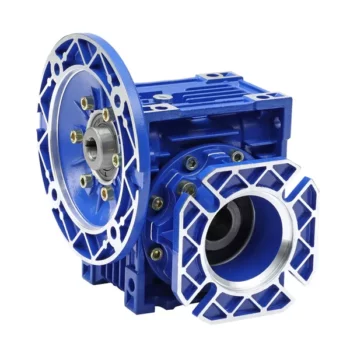
Self-Locking Properties in a Worm Gearbox
Yes, worm gearboxes exhibit self-locking properties, which can be advantageous in certain applications. Self-locking refers to the ability of a mechanism to prevent the transmission of motion from the output shaft back to the input shaft when the system is at rest. Worm gearboxes inherently possess self-locking properties due to the unique design of the worm gear and worm wheel.
The self-locking behavior arises from the angle of the helix on the worm shaft. In a properly designed worm gearbox, the helix angle of the worm is such that it creates a mechanical advantage that resists reverse motion. When the gearbox is not actively driven, the friction between the worm threads and the worm wheel teeth creates a locking effect.
This self-locking feature makes worm gearboxes particularly useful in applications where holding a load in position without external power is necessary. For instance, they are commonly used in situations where there’s a need to prevent a mechanism from backdriving, such as in conveyor systems, hoists, and jacks.
However, it’s important to note that while self-locking properties can be beneficial, they also introduce some challenges. The high friction between the worm gear and worm wheel during self-locking can lead to higher wear and heat generation. Additionally, the self-locking effect can reduce the efficiency of the gearbox when it’s actively transmitting motion.
When considering the use of a worm gearbox for a specific application, it’s crucial to carefully analyze the balance between self-locking capabilities and other performance factors to ensure optimal operation.
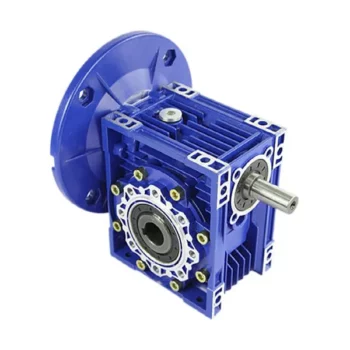
Energy Efficiency of a Worm Gearbox: What to Expect
The energy efficiency of a worm gearbox is an important factor to consider when evaluating its performance. Here’s what you can expect in terms of energy efficiency:
- Typical Efficiency Range: Worm gearboxes are known for their compact size and high gear reduction capabilities, but they can exhibit lower energy efficiency compared to other types of gearboxes. The efficiency of a worm gearbox typically falls in the range of 50% to 90%, depending on various factors such as design, manufacturing quality, lubrication, and load conditions.
- Inherent Losses: Worm gearboxes inherently involve sliding contact between the worm and worm wheel. This sliding contact generates friction, leading to energy losses in the form of heat. The sliding action also contributes to lower efficiency when compared to gearboxes with rolling contact.
- Helical-Worm Design: Some manufacturers offer helical-worm gearbox designs that combine elements of helical and worm gearing. These designs aim to improve efficiency by incorporating helical gears in the reduction stage, which can lead to higher efficiency compared to traditional worm gearboxes.
- Lubrication: Proper lubrication plays a significant role in minimizing friction and improving energy efficiency. Using high-quality lubricants and ensuring the gearbox is adequately lubricated can help reduce losses due to friction.
- Application Considerations: While worm gearboxes might have lower energy efficiency compared to other types of gearboxes, they still offer advantages in terms of compactness, high torque transmission, and simplicity. Therefore, the decision to use a worm gearbox should consider the specific requirements of the application, including the trade-off between energy efficiency and other performance factors.
When selecting a worm gearbox, it’s essential to consider the trade-offs between energy efficiency, torque transmission, gearbox size, and the specific needs of the application. Regular maintenance, proper lubrication, and selecting a well-designed gearbox can contribute to achieving the best possible energy efficiency within the limitations of worm gearbox technology.
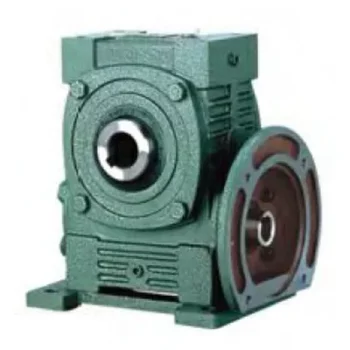
How to Select the Right Worm Gearbox for Your Application
Selecting the right worm gearbox for your application involves careful consideration of various factors:
- Load Requirements: Determine the torque and load requirements of your application to ensure the selected gearbox can handle the load without compromising performance.
- Speed Reduction: Calculate the required gear reduction ratio to achieve the desired output speed. Worm gearboxes are known for high reduction ratios.
- Efficiency: Consider the gearbox’s efficiency, as worm gearboxes typically have lower efficiency due to the sliding action. Evaluate whether the efficiency meets your application’s needs.
- Space Constraints: Assess the available space for the gearbox. Worm gearboxes have a compact design, making them suitable for applications with limited space.
- Mounting Options: Determine the mounting orientation and configuration that best suits your application.
- Operating Environment: Consider factors such as temperature, humidity, and exposure to contaminants. Choose a gearbox with appropriate seals and materials to withstand the environment.
- Backlash: Evaluate the acceptable level of backlash in your application. Worm gearboxes may exhibit more backlash compared to other gear types.
- Self-Locking: If self-locking capability is required, confirm that the selected gearbox can prevent reverse motion without the need for external braking mechanisms.
- Maintenance: Consider the maintenance requirements of the gearbox. Some worm gearboxes require periodic lubrication and maintenance to ensure proper functioning.
- Cost: Balance the features and performance of the gearbox with the overall cost to ensure it aligns with your budget.
Consult with gearbox manufacturers or experts to get recommendations tailored to your specific application. Testing and simulations can also help validate the suitability of a particular gearbox for your needs.


editor by CX 2023-10-26