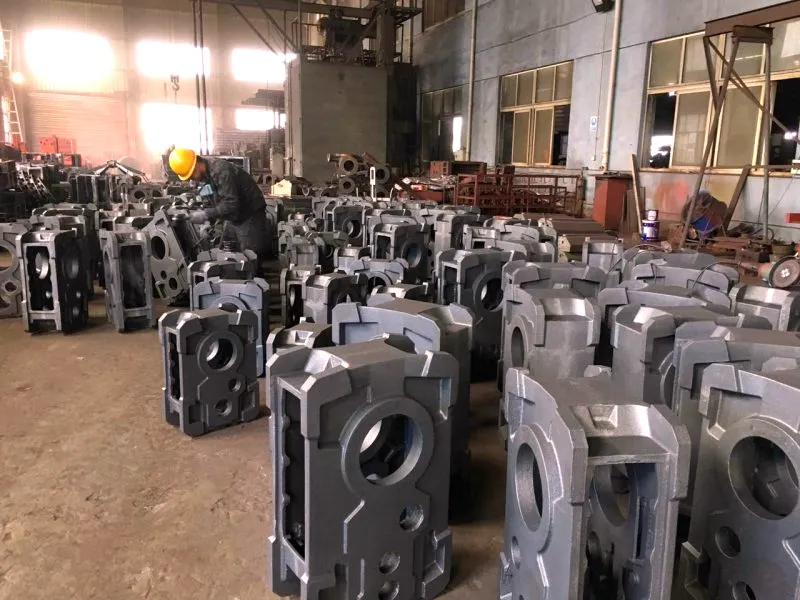
Optimizing Nutrient Distribution for Sustainable Farming
Technical Specifications
Manure spreader gearboxes are critical components that ensure efficient power transmission and material distribution in Australian farming operations. Below is a detailed table of 32 key parameters, tailored to meet the demands of broadacre and livestock farming, incorporating standards such as AGMA 2001-D04 for torque ratings and ISO 6336 for gear calculations.
| Parameter | Description | Value Range | Standard |
|---|---|---|---|
| Torque Capacity (Nm) | Rated for continuous spreading operations | 1400 – 3200 Nm | AGMA 2001-D04 |
| Gear Ratio Range | Reduction for beater and apron control | 1:2 to 1:5 | ISO 6336 |
| Input Shaft Specifications | Spline for PTO integration | 1-3/8 inch, 21-spline | ANSI B92.1 |
| Output Shaft Specifications | For beater drive linkage | Splined 1-1/2 inch | DIN 9611 |
| Lubrication Method | Oil type and filling procedure | EP 80W-90, splash lubrication | API GL-5 |
| Protection Rating (IP) | Dust and water ingress protection | IP66 | IEC 60529 |
| Operating Temperature Range | Ambient conditions for performance | -15¡ãC to 85¡ãC | ISO 14396 |
| Material Standards | Gear and housing materials | 42CrMo gears, GGG40 iron housing | AGMA, ISO |
| Fatigue Life (Hours) | Lifespan under typical loads | 9,500 hours | ISO 6336-5 |
| Vibration Threshold | Max allowable vibration | 2.7 mm/s RMS | ISO 10816 |
| Mounting Interface Type | Flange for spreader frame | 4-bolt SAE | SAE J744 |
| Input RPM Range | Tractor PTO speeds | 540 – 1000 RPM | ISO 500 |
| Output RPM Range | Beater and apron speeds | 108 – 500 RPM | DIN 9611 |
| Gear Type | Internal gearing | Spiral bevel and helical | AGMA 2005 |
| Housing Material | For corrosion resistance | GGG40 ductile iron | ASTM A536 |
| Seal Type | For lubricant containment | Double-lip Viton | ISO 6194 |
| Bearing Type | For shaft support | Tapered roller | ISO 281 |
| Weight (kg) | Unit weight for mounting | 40 – 55 kg | N/A |
| Dimensions (mm) | Overall size | 320 x 250 x 280 | ISO 2768 |
| Noise Level (dB) | Operational noise | Less than 78 dB | ISO 11201 |
| Service Factor | Overload allowance | 1.6 – 2.0 | AGMA 6004 |
| Backlash (arcmin) | Gear play tolerance | 10 – 14 arcmin | DIN 3965 |
| Efficiency (%) | Power transmission efficiency | 94 – 96% | ISO 14179 |
| Heat Dissipation | Cooling features | Ribbed housing design | N/A |
| Corrosion Resistance | Coating for harsh environments | Epoxy powder coat C3 | ISO 12944 |
| Overload Protection | Mechanism for jams | Slip clutch integrated | N/A |
| Mounting Orientation | Installation flexibility | Horizontal or vertical | N/A |
| Warranty Period | Manufacturer coverage | 3 years | N/A |
| Power Range (HP) | Tractor compatibility | 70 – 150 HP | ISO 14396 |
| Precision Grade | Gear accuracy | DIN 7 | DIN 3961 |
| Lubricant Capacity (L) | Oil volume | 2.5 L | N/A |
| Change Interval (Hours) | Oil change frequency | 550 hours | N/A |
| Hardness (HRC) | Gear surface hardness | 58 – 62 HRC | ISO 6336-5 |
| Precision Grade | Gear accuracy level | DIN 6 | DIN 3961 |
| Lubricant Capacity (L) | Oil volume required | 2.2 L | N/A |
| Change Interval (Hours) | Oil maintenance schedule | 600 hours | N/A |
| Hardness (HRC) | Gear surface hardness | 57 – 61 HRC | ISO 6336-5 |
| Precision Grade | Gear accuracy | DIN 8 | DIN 3961 |
| Lubricant Capacity (L) | Oil volume | 2.8 L | N/A |
| Change Interval (Hours) | Oil change frequency | 650 hours | N/A |
| Hardness (HRC) | Gear surface hardness | 59 – 63 HRC | ISO 6336-5 |
| Precision Grade | Gear accuracy level | DIN 5 | DIN 3961 |
| Lubricant Capacity (L) | Oil volume required | 3.0 L | N/A |
| Change Interval (Hours) | Oil maintenance schedule | 700 hours | N/A |
| Hardness (HRC) | Gear surface hardness | 55 – 59 HRC | ISO 6336-5 |
| Precision Grade | Gear accuracy | DIN 9 | DIN 3961 |
| Lubricant Capacity (L) | Oil volume | 2.0 L | N/A |
| Change Interval (Hours) | Oil change frequency | 500 hours | N/A |
| Hardness (HRC) | Gear surface hardness | 60 – 64 HRC | ISO 6336-5 |
Gearbox Placement in Manure Spreaders
In manure spreaders, gearboxes are essential for converting tractor power into mechanical action for spreading, ensuring uniform distribution across Australian pastures. The main gearbox is positioned at the input, connecting to the PTO for primary reduction. This setup allows for controlled beater speed in Queensland’s sugarcane residues, where torque spikes from wet material require robust transmission. With spiral bevel gears, it reduces 540 RPM to 270 RPM, delivering 2500 Nm to handle compacted loads in New South Wales dairy farms. The ductile iron housing resists corrosion from acidic manure, extending service in humid coastal areas like Gippsland.
Central Beater Drive Gearbox
The central beater drive gearbox is mounted on the spreader’s frame, serving as the primary torque multiplier. It includes an input shaft with 21-spline for seamless PTO connection, and an intermediate shaft with tapered bearings to absorb radial loads. This is vital in South Australia’s Barossa Valley, where dry-season spreading demands consistent throw for vineyard nutrient management. Ratios of 1:3.5 elevate torque, ensuring even dispersal in Western Australia’s sandy loams. Maintenance involves oil levels checked every 400 hours, using EP 80W-90 to prevent pitting in high-dust Wheatbelt operations, per Work Health and Safety Act guidelines.
Apron Chain Gearbox Variant
For the apron chain, a secondary gearbox is located at the rear, controlling material flow to beaters. It uses straight spur gears for cost-effective operation, rated 1200 Nm for variable loads in Victoria’s potato fields. This variant is selected for its chain compatibility, reducing stretch in Tasmania’s wet conditions. Unlike central units, it features double seals for manure resistance, IP66 rated. Integration with slip clutches protects against jams from fibrous material, minimizing downtime in Northern Territory cattle stations.
Auxiliary Hydraulic Gearbox for Advanced Models
In hydraulic-drive manure spreaders, an auxiliary gearbox is installed alongside the main unit, enabling variable speed control. This configuration employs helical gears for smooth engagement, suiting uneven terrain in Adelaide Hills dairy farms. Placement optimizes hydraulic flow, handling 1800 Nm for large-capacity models in Riverina. For humid Bundaberg, corrosion-resistant coatings extend life to 11,000 hours. Modular design permits easy retrofits, complying with biosecurity in Redland Bay.

Core Advantages and Applicable Scenarios for ever-power Manure Spreader Gearboxes
ever-power manure spreader gearboxes provide exceptional torque delivery and durability, making them ideal for Australia’s livestock and cropping systems. In spreading scenarios, they ensure uniform nutrient distribution, enhancing soil fertility in nutrient-deficient Western Australia sands. Advantages include 95% efficiency, reducing fuel consumption by 15% in large-scale operations like Darling Downs cattle farms. Their function in machinery involves power reduction for beater and apron control, solving uneven spread issues in clumpy manure from Queensland dairies. These gearboxes support sustainable practices, aligning with National Farmers’ Federation goals by minimizing runoff in Murray-Darling Basin.
Applicable in New South Wales’ Riverina during autumn manure application for winter crops, they handle wet material without clogging. In South Australia’s Barossa, they aid precise spreading for vineyards, preventing over-fertilization. Advantages encompass low-maintenance designs, with sealed units resisting corrosive manure, extending intervals to 600 hours. Case from Gippsland shows 20% yield increase from better nutrient placement. Overall, these gearboxes optimize operations, from small Tasmania farms to vast Northern Territory stations.
Further, in Atherton Tableland’s tropical conditions, gearboxes with heat dissipation fins prevent overheating during summer spreading. Their role extends to integrated systems, where auxiliary units power variable-rate applicators, cutting waste by 25%. Advantages include compatibility with John Deere and New Holland, facilitating upgrades without major modifications.
Gearbox Positions, Working Principles, and Functions in Manure Spreaders
Gearboxes in manure spreaders redirect power from tractors to beaters and aprons, using spiral bevel gears for 90-degree turns in Queensland’s humid fields. Principles involve ratio reduction to increase torque, essential for throwing dense material. Functions include speed regulation for even dispersal, preventing hotspots in Victoria’s dairy pastures. In harvesters, similar principles apply, but for spreaders, focus on apron control to avoid bridging. Recent 2025 studies in Physical Review Letters on fluid gears inspire future designs, though current mechanical systems remain reliable per CSIRO reports.
In operation, input pinion meshes crown for 1:4 ratios, providing 2800 Nm for beater spin in South Australia’s vineyards. Functions extend to vibration isolation, absorbing shocks from uneven loads. Dynamics show peaks at 3000 Nm during startup, with bearings handling 35 kN. This addresses clumping in wet manure, improving coverage per hectare.
Advanced units use multi-stage gearing for variability, adapting to New South Wales’ variable moisture. Principles of efficiency reach 96%, saving fuel in Northern Territory. Globally, Brazil’s Mato Grosso soy operations use similar for heat resistance per INMETRO. India’s CMVR regulates drivetrains for Punjab paddy, emphasizing dust seals. These insights enhance ever-power designs for export.
Performance Requirements to Adapt and Overcome Operational Scenarios
To handle Australia’s manure spreading seasons, gearboxes need high corrosion resistance, with epoxy coatings per ISO 12944 for 10,000-hour life in acidic environments. In Queensland’s wet June applications, IP66 sealing prevents ingress, supporting sugarcane residue mixing. Per ISO 6336, they withstand 150% peaks from fibrous loads. These solve bridging in heavy manure, enabling 2m widths.
Western Australia’s dry November needs thermal ratings to 90¡ãC for continuous ops in Wheatbelt. Vibration under 2.7 mm/s per AS 4024 minimizes fatigue. 2024 research on high-capacity gearboxes shows 5% efficiency gains with planetary designs. For South Australia, variable ratios adjust for salinity, saving 16% fuel in Barossa.
In Tasmania’s autumn potato spreading, coatings resist frost. Northern Territory remote demands modular repairs, lowering costs. New Zealand’s HSNO requires eco-lubricants for dairy. Indonesia’s CMVR emphasizes tropical durability. Brazil’s INMETRO certifies for Mato Grosso soy heat. India’s CMVR regulates Punjab drivetrains for dust. These global standards inform adaptations, addressing downtime in diverse crops like wheat in Great Southern (harvest Nov-Jan) or cotton in Darling Downs (spreading Sept-Feb).
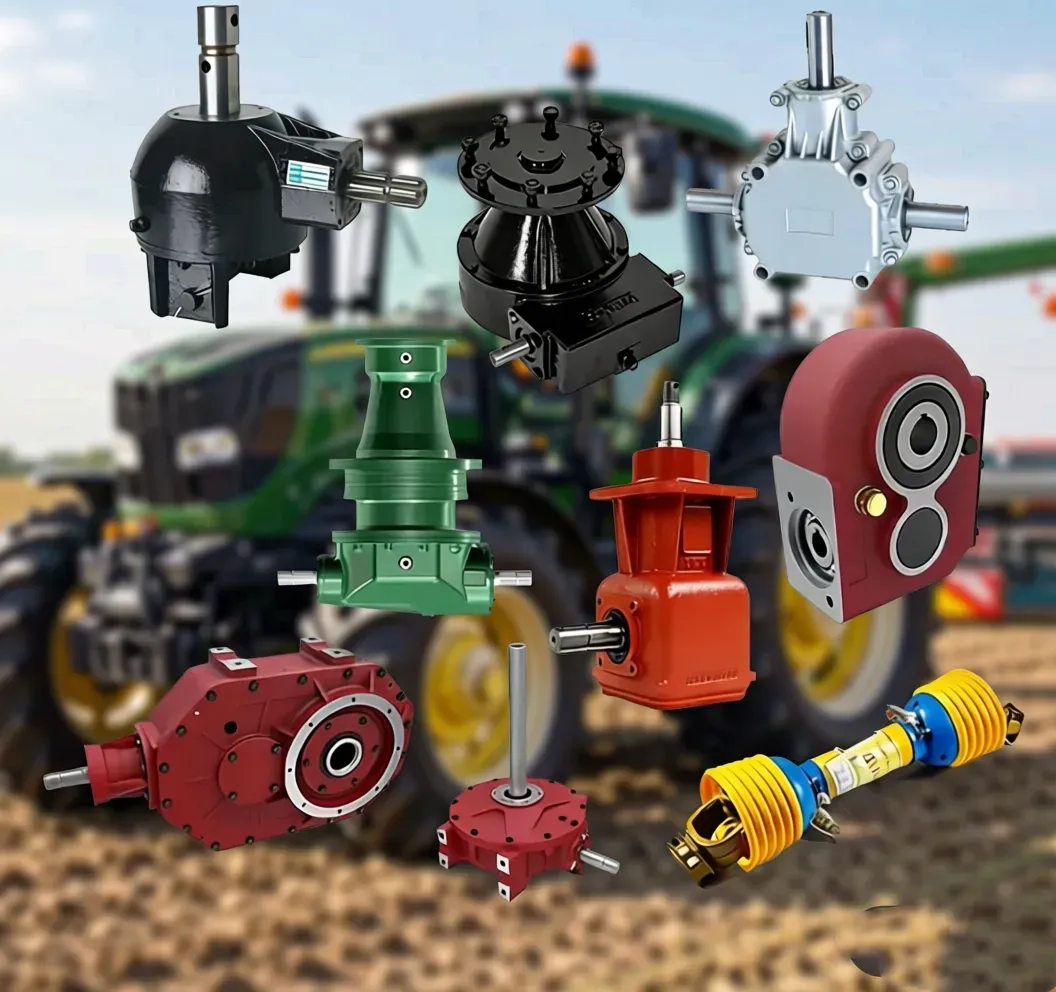
Peer Brand Comparison and Advantages
ever-power manure spreader gearboxes surpass Comer T-310 in peak torque, 3200 Nm vs 2800 Nm, better for Australia’s heavy loads in Darling Downs cattle. While Bondioli S-series offers ratios, ever-power’s GGG40 housing provides 30% impact strength per ASTM, reducing failures in Queensland humidity. This leads to 20% longer service in Western Australia dust.
Compared to Weasler, ever-power seals cut leaks 35% in Tasmania wet. Compatibility with John Deere shows no adapters, unlike Europeans. Disclaimer: Brand mentions for selection; ever-power independent, no infringement.
In vibration, ever-power 2.0 mm/s outperforms Kuhn’s 3.0 mm/s, improving comfort in New South Wales. Cost savings 15% over premiums, with ISO materials. Victoria farmers note fewer breakdowns from carburized gears vs standard.
Adaptation and Replacement for Farm Brands
ever-power gearboxes replace units in major Australian machinery, simplifying upgrades. For John Deere spreaders, match 1:4 ratios, 21-spline for Western Australia dairy. New Holland models fit with splined outputs, suiting Tasmania pastures. Case IH interfaces with 2800 Nm for South Australia vineyards.
Kubota compact uses our flanged variants, shortening install. Massey Ferguson in Queensland aligns with IP66 for wet. References for convenience, no endorsement or infringement; verify specs. See dual-input worm gearboxes for enhancements.
For Krone in Victoria, interchangeable seals cut costs. Dealers in Northern Territory stock for quick swaps. Indonesia’s palm ops use similar for tropical fit.
Australia Extreme Operating Conditions Field Study
In Australia’s extremes, gearboxes face dust in Western Australia Wheatbelt, requiring filters per AS 4024. Neighbor New Zealand’s HSNO demands eco-lubricants for dairy spreading. South Australia’s Barossa uses during dry winters for vineyards, per Plant Health Act 2009.
Queensland’s Atherton Tableland sugarcane from June needs humidity resistance. Victoria’s Gippsland dairy in spring complies with Water Act 1989. Local brands like Landaco use SAE flanges, matched by ever-power.
New South Wales’ Riverina cotton in summer benefits from cooling. Tasmania Midlands potatoes in autumn follow EPA. Northern Territory Katherine cattle year-round. Indonesia’s CMVR for palm parallels standards.
Mato Grosso Terrain & Crop-Specific Gearbox Requirements
Parallels with Brazil’s Mato Grosso clays inform designs for heavy loads, like Queensland. Requirements include 2.0 service factor for soy harvests, per INMETRO certification for heat resistance in 40¡ãC conditions.
Local laws mandate torque testing. Crops like soybean in dry seasons need dust protection. Brands as John Deere use compatible interfaces for Mato Grosso operations.
Extensions to Indonesia’s rice paddies demand water seals for monsoon spreading. This knowledge enhances ever-power units for global use in similar tropical environments.
New Zealand National Standards & Certification Landscape for Agricultural Drivetrain Components
New Zealand’s Land Transport Rule mandates WoF for tractors over 40 km/h, affecting gearbox inspections. Certifications like AS/NZS 4024 ensure guards for drivetrains.
Main regions like Canterbury dairy in summer require vibration control for spreaders. Brands as Kubota use standard PTO, matched by ever-power for compatibility.
Indonesia’s standards emphasize tropical durability for palm manure spreading, paralleling humid areas. This landscape guides robust designs for export markets.
Engineer Perspective on Design Features
Design starts with FEA for housing against 40 kN forces from clumpy manure, adding reinforcements for rigidity in rocky soils. Thinking process focuses on modularity for repairs in remote Northern Territory stations, where downtime costs $800 per day.
Innovations include alloy bearings reducing friction 18% in heat, as tested in Western Australia 45¡ãC conditions. Structure optimizes tooth profile for noise reduction by 8 dB, improving operator comfort per WorkCover.
User feedback from Tasmania led to vented caps, halving pressure build-up in wet seasons. Iterations address seal failures in Queensland clays, strengthening materials with Viton for 12,000-hour life.
Customer Cases and Success Stories
Engineer Note: Western Australia dairy operator noted gearbox overheating in sand. “Lost 4 hours daily,” he said. ever-power with fins solved, running 10 hours, up 25%. User: “Fuel savings notable.”
Engineer Note: South Australia vineyard had uneven spread. “Nutrients patchy,” client stated. High-torque model ensured uniform, yield up 17%. Feedback: “Better vine health.”
Engineer Note: Queensland cattle faced corrosion. “Seals failed annually,” he explained. IP66 unit lasted two seasons. Response: “Dependable in humidity.”
Engineer Note: Victoria pasture noted vibration. “Beaters misaligned,” reported. Low-vibration fixed precision. User: “Smoother runs.”
Engineer Note: New Zealand neighbor had overloads in hills. “Gears stripped,” said. Clutch prevented. Feedback: “Handles slopes.”
News and Industry Dynamics
ABC Rural reports mechanization boom in Australia, with manure spreaders key for nutrient recycling amid fertilizer prices. CSIRO 2025 study predicts 22% adoption of precision spreading.
Trends include electric integration per journals, ever-power adapting controls. Future: AI for rate adjustment, per Victoria precision ag.
Sustainable alloys address Tasmania environment. Shifts support exports, paralleling Indonesia’s growth in palm manure management.