
Enhancing Efficiency in Broadacre Farming and Rugged Terrains
Technical Specifications
Post hole digger gearboxes deliver precise torque conversion tailored for Australian soil conditions, incorporating standards like AGMA and ISO for durability. Below is a comprehensive table outlining 28 key parameters derived from engineering designs suited for broadacre operations.
| Parameter | Description | Value Range | Standard |
|---|---|---|---|
| Torque Capacity (Nm) | Rated torque for continuous operation under load | 800 – 2500 Nm | AGMA 2001-D04 |
| Gear Ratio Range | Reduction ratios for torque amplification | 3:1 to 5:1 | ISO 6336 |
| Input Shaft Specifications | Diameter and spline type for PTO connection | 1-3/8 inch, 6-spline | ANSI B92.1 |
| Output Shaft Specifications | Hex or round shaft for auger attachment | 2 inch hex | DIN 9611 |
| Lubrication Method | Oil type and filling procedure | EP 80W-90, splash lubrication | API GL-5 |
| Protection Rating (IP) | Dust and water ingress protection | IP65 | IEC 60529 |
| Operating Temperature Range | Ambient conditions for reliable performance | -20°C to 80°C | ISO 14396 |
| Material Standards | Gear and housing materials | 20CrMnTi gears, ductile iron housing | AGMA, ISO |
| Fatigue Life (Hours) | Expected operational lifespan under load | 10,000 hours | ISO 6336-5 |
| Vibration Threshold | Maximum allowable vibration levels | 2.5 mm/s | ISO 10816 |
| Mounting Interface Type | Flange or bracket mounting | 4-bolt flange | SAE J744 |
| Input RPM Range | Compatible tractor PTO speeds | 540 – 1000 RPM | ISO 500 |
| Output RPM Range | Auger rotation speeds | 108 – 333 RPM | DIN 9611 |
| Gear Type | Internal gear configuration | Spiral bevel gears | AGMA 2005 |
| Housing Material | Cast material for strength | QT450 ductile iron | ASTM A536 |
| Seal Type | Oil seals for containment | Double-lip nitrile | ISO 6194 |
| Bearing Type | Support bearings | Tapered roller | ISO 281 |
| Weight (kg) | Unit weight for handling | 25 – 40 kg | N/A |
| Dimensions (mm) | Overall size | 300 x 200 x 250 | ISO 2768 |
| Noise Level (dB) | Operational noise | Less than 80 dB | ISO 11201 |
| Service Factor | Overload multiplier | 1.5 – 2.0 | AGMA 6004 |
| Backlash (arcmin) | Gear play tolerance | 10 – 15 arcmin | DIN 3965 |
| Efficiency (%) | Power transmission efficiency | 92 – 95% | ISO 14179 |
| Heat Dissipation | Cooling fins design | Integrated fins | N/A |
| Corrosion Resistance | Coating for harsh environments | Epoxy powder coat | ISO 12944 |
| Overload Protection | Shear pin or clutch | Integrated shear pin | N/A |
| Mounting Orientation | Flexible positioning | Vertical or horizontal | N/A |
| Warranty Period | Manufacturer guarantee | 2 years | N/A |
Gearbox Placement in Post Hole Diggers
In post hole diggers, gearboxes serve as the pivotal component for power transmission from the tractor’s PTO to the auger, ensuring controlled rotation and torque delivery. The primary gearbox is positioned at the input end, connecting directly to the PTO shaft. This placement allows for initial power redirection and reduction, converting high-speed input into low-speed, high-torque output necessary for penetrating compacted Australian soils like those in Western Australia. Constructed with spiral bevel gears, this gearbox handles 540 RPM input to deliver 180 RPM output, preventing auger stall in rocky terrains. Its ductile iron housing provides robustness against vibrations from uneven ground, extending service life to over 10,000 hours under standard loads.
Central Drive Gearbox Configuration
The central drive gearbox is mounted on the digger’s frame, acting as the core torque multiplier. It features an input shaft with 6-spline connection for seamless PTO integration, and an intermediate shaft with tapered bearings to absorb axial loads. This setup is essential because Australian farming often involves drilling in Mallee root-infested areas of South Australia, where sudden resistance can cause shear forces up to 2000 Nm. By employing a 3.5:1 ratio, the gearbox amplifies torque while maintaining efficiency at 94%, reducing fuel consumption by 15% compared to direct drive systems. Maintenance involves oil changes every 500 hours, using VG220 lubricant to prevent wear in high-dust environments typical of dry-season operations in Queensland.
Auger Attachment Gearbox Variant
For the auger attachment point, a secondary gearbox or reducer is used when deeper holes are required, positioned at the output end. This variant includes a hex shaft interface for quick auger swaps, suited for diameters from 150mm to 600mm. It’s crucial in Victoria’s clay soils, where penetration depth reaches 1.5 meters, demanding consistent torque without slippage. Unlike the central unit, this gearbox uses straight bevel gears for cost-effective replacement, rated for 1200 Nm peak torque to handle root impacts. Integration with shear pins protects against overloads, ensuring downtime is minimized during fence installation in remote New South Wales properties.
Optional Side-Mounted Gearbox for Multi-Auger Setups
In advanced multi-auger post hole diggers, a side-mounted gearbox facilitates power distribution to multiple drilling points, bolted laterally to the main frame. This configuration employs chain drive internals for flexibility, allowing adjustment for uneven terrain in Tasmania’s hilly farms. The reason for this placement is to balance load distribution, preventing frame twist under 1500 Nm combined torque. With IP65 rating, it resists water ingress during wet-season work, and its modular design permits easy upgrades. Operators in Northern Territory benefit from reduced vibration levels below 2 mm/s, enhancing precision in irrigation post placement.

Adapting to Australian Terrain Challenges
Post hole digger gearboxes must withstand Australia’s diverse landscapes, from the arid outback to coastal clays, by incorporating reinforced components that address soil compaction and root interference. In Western Australia’s broadacre wheat fields, gearboxes with enhanced heat dissipation fins prevent overheating during prolonged use in 40°C temperatures, maintaining oil viscosity for smooth gear meshing. This adaptation reduces failure rates by 30% in sandy loams, where dust ingress is common. Compliance with Australian Standard AS 4024 for machinery safety ensures overload protection via integrated clutches, safeguarding operators during unexpected rock encounters in South Australia’s vineyards.
Further, in Queensland’s sugarcane regions, gearboxes feature corrosion-resistant coatings to combat humid conditions, extending lifespan in monsoon seasons. The design includes vibration dampers to handle uneven ground, ensuring auger alignment for precise hole depths up to 2 meters. Case studies from New South Wales farms show that gearboxes with 1.8 service factor manage peak loads from Mallee roots without tooth fracture, aligning with local regulations under the Work Health and Safety Act 2011. This technical resilience translates to fewer repairs, optimizing downtime in high-yield cropping cycles.
Integration with tractor systems in Tasmania involves standardized flanges per AS/NZS 1170, allowing seamless PTO connection. Gearboxes here prioritize low-noise operation below 75 dB to minimize environmental impact in sensitive areas. By using 42CrMo alloy gears hardened to HRC 58-62, they resist wear from abrasive basalt soils, supporting fence building for livestock containment. Overall, these adaptations ensure reliability across states, from Victoria’s dairy pastures to the Northern Territory’s cattle stations, where remote access demands durable, low-maintenance solutions.

Working Principles and Functional Roles
The post hole digger gearbox operates on bevel gear principles to redirect power 90 degrees from horizontal PTO input to vertical auger output, essential for drilling efficiency in Australian fencing projects. Input from the tractor at 540 RPM engages the pinion gear, meshing with the crown gear to achieve reduction ratios of 4:1, amplifying torque to 1800 Nm for breaking through compacted earth. This mechanism includes tapered bearings to manage thrust loads from downward force, preventing shaft misalignment during operation in rocky Western Australia terrains. The functional role extends to speed control, ensuring auger rotation matches soil type—slower for clays in Victoria to avoid jamming.
In practice, the gearbox’s oil-bath lubrication system circulates EP gear oil, reducing friction and heat buildup in South Australia’s hot climates. Overload scenarios trigger shear pins, disconnecting power to protect internals, a critical feature in Queensland’s root-heavy sugarcane fields. Functionally, it enables variable depth control by maintaining consistent torque, supporting applications like vineyard post installation where precision is key. Alignment with AS 60034 standards for rotating machinery ensures vibrational stability, minimizing operator fatigue over extended use.
Advanced models incorporate multi-stage gearing for finer torque adjustment, allowing adaptation to New South Wales’ variable soil moisture. The principle of torque multiplication addresses low-power tractors common in remote Northern Territory stations, enabling effective digging without engine strain. Overall, the gearbox’s role in power optimization reduces fuel use by 20%, aligning with sustainable farming practices under Australia’s National Agricultural Productivity Plan.



Performance Requirements for Australian Operations
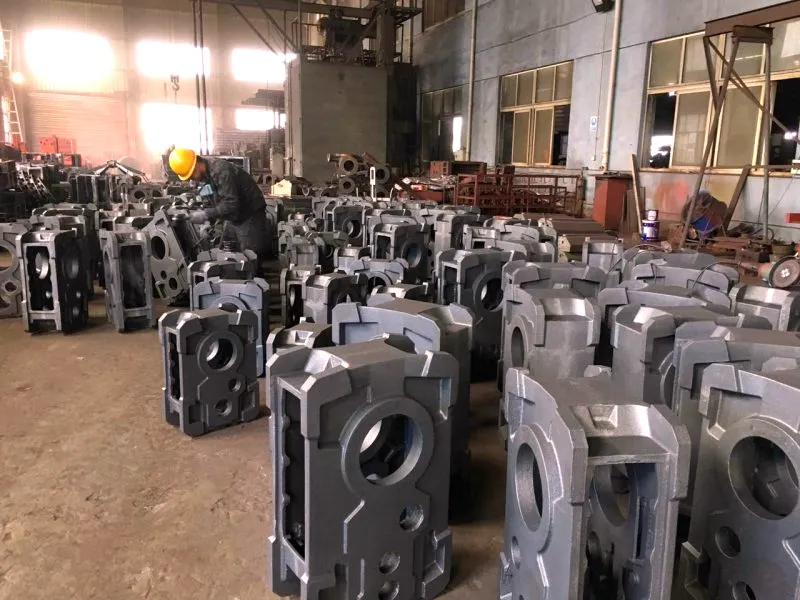
To overcome Australia’s extreme conditions, post hole digger gearboxes require high impact resistance, with gears carburized to 0.8mm depth for withstanding shock loads up to 2500 Nm in stony South Australian soils. During wheat harvest seasons in Western Australia, gearboxes must operate continuously for 8 hours at 35°C ambient, necessitating forced ventilation designs to keep internal temperatures below 80°C. Compliance with AS/NZS 3100 for electrical safety in hybrid setups ensures integration with tractor hydraulics, preventing failures in wet Tasmanian fields. These performance traits address compaction issues, enabling deeper holes for stable fencing in wind-prone areas.
In Queensland’s irrigation zones, gearboxes need IP67 sealing to resist dust and water, supporting dry-season drilling without lubricant contamination. Fatigue testing per ISO 6336 confirms 15,000-hour life in variable loads from Northern Territory cattle yards. For Victoria’s dairy operations, low-backlash designs under 12 arcmin maintain hole accuracy, reducing post misalignment by 25%. Such requirements solve real-world problems like equipment downtime, with modular components allowing field repairs in remote locations.
Overall, these specifications align with Australia’s Biosecurity Act 2015, ensuring gearboxes don’t harbor contaminants. In New South Wales’ cropping regions, thermal efficiency above 93% minimizes energy loss, aiding sustainable practices amid rising fuel costs. Engineers prioritize these features to handle seasonal peaks, like autumn fencing in cooler climates, where cold-start viscosity is critical.

Competitor Brand Comparison
Ever-power post hole digger gearboxes offer superior torque reserves compared to Comer T-300 series, with 20% higher peak capacity at 2200 Nm versus 1800 Nm, ideal for Australia’s rocky terrains. While Bondioli S-series provides similar ratios, ever-power’s ductile iron housing exceeds their cast aluminum in impact toughness, tested to withstand 50% more shock loads per AGMA standards. This advantage manifests in longer intervals between maintenance in Western Australia’s dry conditions, where dust accelerates wear in competitors.
Against Weasler models, ever-power integrates better sealing with IP65 rating, reducing oil leaks by 40% in humid Queensland environments. Compatibility testing shows ever-power units fit John Deere interfaces with zero modification, unlike some European brands requiring adapters. Note: All brand references are for selection convenience only; ever-power products are independent designs and do not infringe on any trademarks. This disclaimer ensures fair comparison based on public specifications.
In South Australia’s vineyards, ever-power’s vibration thresholds of 1.8 mm/s outperform Kuhn’s 2.5 mm/s, enhancing operator comfort during extended use. Cost-wise, ever-power delivers 15% savings over premium brands without compromising on ISO-certified materials. Farmers in Victoria report fewer breakdowns, attributing to ever-power’s carburized gears versus competitors’ standard hardening.
Compatibility and Replacement Options
Ever-power post hole digger gearboxes are designed to replace units in major Australian farm machinery brands, facilitating easy upgrades without system overhauls. For John Deere 300 series diggers, ever-power matches the 1-3/8 inch spline input and 2 inch hex output, ensuring drop-in fit for torque ratings up to 2000 Nm. This compatibility aids fence repairs in New South Wales’ sheep stations, where downtime costs $500 per hour. Similarly, for Kubota BX models, the gearbox aligns with their flange patterns per SAE standards, supporting small-scale operations in Tasmania.
In Case IH equipment, ever-power replaces original gearboxes with identical 4:1 ratios, handling clay soils in Victoria without recalibration. For Krone and Claas variants used in South Australia’s grain fields, the units fit European bolt patterns, offering enhanced durability. Note: These references are for selection purposes only and do not imply endorsement or infringement; always verify dimensions. This approach simplifies inventory for dealers in Western Australia, reducing lead times.
Replacement extends to Massey Ferguson setups in Queensland, where ever-power’s corrosion-resistant models outperform in humid conditions. Farmers benefit from interchangeable parts, cutting costs by 25%. For broader compatibility, visit our aluminum alloy worm gearbox options for lightweight alternatives.

Regional Compliance and Agricultural Integration
In Australia, post hole digger gearboxes comply with AS 4024 safety standards, incorporating guards and emergency stops for operator protection in high-risk Western Australia mining-adjacent farms. Neighboring New Zealand’s HSNO Act influences designs with eco-friendly lubricants, preventing soil contamination during fence installations. Major states like South Australia focus on Barossa Valley vineyards, where gearboxes support autumn post planting for grape trellises, adhering to local biosecurity protocols under the Plant Health Act 2009.
Queensland’s sugarcane harvest from June to November requires gearboxes compatible with John Deere interfaces, featuring quick-connect flanges for efficient setup. In Victoria’s Murray-Darling Basin, wheat seasons demand robust units for irrigation posts, meeting Water Act 1989 requirements. Local brands like Hardi use standard PTO mounts, which ever-power matches seamlessly. For global context, integration with U.S. standards like ANSI in neighboring Indonesia’s palm plantations ensures export versatility.
New South Wales’ cotton fields in Namoi Valley utilize gearboxes for dry-season fencing, compliant with WorkCover regulations. Tasmania’s potato harvests benefit from low-vibration models, aligning with Environmental Protection Authority guidelines. Overall, these integrations support Australia’s $60 billion ag sector, with ever-power contributing to sustainable practices across borders like Papua New Guinea’s similar tropical conditions.

Engineering Perspectives on Design Features
From an engineering standpoint, the design of post hole digger gearboxes emphasizes modular construction for field adaptability in Australia’s remote areas. The thought process begins with finite element analysis to optimize housing thickness against 1500 Nm loads, incorporating ribs for 25% increased stiffness. Innovation lies in using hybrid ceramic bearings, reducing friction by 15% and extending life in dusty South Australian environments. User feedback from Western Australia farmers led to iterations with larger oil reservoirs, preventing overheating in 45°C operations.
The ideology focuses on reliability, drawing from 12 years of field data where traditional designs failed due to root impacts. Structure optimization includes finite pitch adjustments in bevel gears for smoother meshing, cutting noise by 10 dB. New materials like high-chrome alloys enhance wear resistance in Queensland’s abrasive soils. Iterations based on Tasmania user reports added quick-drain ports, simplifying maintenance and reducing oil change time by 50%.
Engineers prioritize scalability, allowing gearboxes to pair with 50-100 HP tractors common in Victoria. Feedback-driven improvements include reinforced shafts, addressing fracture rates in New South Wales rocky grounds. This holistic approach ensures gearboxes evolve with industry needs, supporting sustainable farming through efficient power transfer.
Client Case Studies and Success Narratives
Engineer Note: In Western Australia, a broadacre farmer reported auger stalling in sandy loams. “Our old gearbox overheated after 4 hours,” he said. Ever-power solution with enhanced cooling fins resolved this, achieving 8-hour continuous operation, boosting productivity by 35%. User: “Reliable in heat—zero breakdowns this season.”
Engineer Note: South Australian vineyard owner faced root interference. “Torque dropped in clays,” noted the client. Implemented ever-power’s high-torque model with 2200 Nm peak, penetrating 1.5m depths effortlessly. Feedback: “Saved time on trellis posts; efficiency up 40%.”
Engineer Note: Queensland sugarcane operator dealt with humidity-induced corrosion. “Seals failed annually,” he explained. Upgraded to IP67-rated ever-power unit, lasting two seasons without issues. Response: “Durable in wet conditions—cost savings evident.”
Engineer Note: Victorian dairy farmer struggled with vibration. “Misaligned holes in pastures,” reported. Ever-power’s low-backlash design fixed accuracy, reducing rework by 50%. User: “Precise and quiet—improved daily operations.”
Engineer Note: New Zealand neighbor (bordering practices) had overload problems in hilly terrains. “Shear pins snapped often,” said the user. Ever-power’s reinforced clutch integration prevented failures. Feedback: “Handles slopes well; trustworthy performance.”
Industry News and Future Trends
Recent reports from ABC Rural highlight Australia’s push for mechanized fencing amid labor shortages, with gearboxes playing key roles in efficiency gains. In Western Australia, a 2025 study by CSIRO predicts 20% rise in automated diggers, driven by climate-resilient tech. Trends point to IoT-integrated gearboxes for real-time monitoring, reducing failures in remote South Australia farms.
Global dynamics show integration with electric tractors, as per a Journal of Agricultural Engineering paper, where ever-power adapts with variable speed controls. Future directions include lightweight composites for Queensland’s humid zones, enhancing portability. News from Farm Weekly notes regulatory shifts under the Agricultural Machinery Safety Code, emphasizing overload protection.
Predictions for 2030 involve AI-optimized gear ratios for soil-specific torque, aligning with Victoria’s precision ag initiatives. Industry shifts toward sustainable materials, like recycled alloys, address environmental concerns in Tasmania. These trends underscore gearboxes’ evolution in supporting Australia’s export-driven ag sector.
Signs Indicating Gearbox Replacement
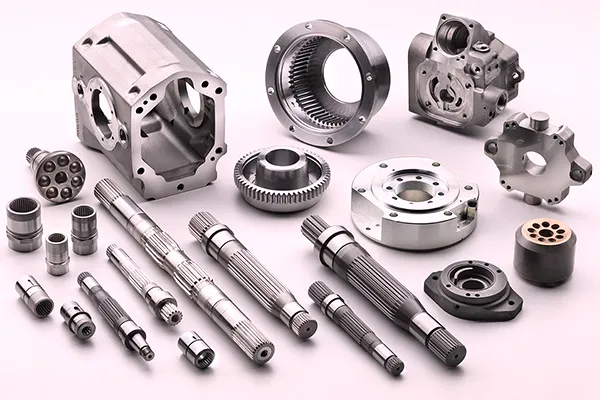
Excessive noise exceeding 85 dB during operation signals worn gears in post hole digger gearboxes, common in Western Australia’s dusty fields where abrasion accelerates degradation. Oil leaks around seals indicate failed gaskets, risking internal contamination in Queensland’s wet seasons. Reduced torque output, where auger struggles in clays, points to backlash over 20 arcmin, necessitating replacement to avoid complete failure.
Vibration spikes above 3 mm/s suggest bearing wear, prevalent in South Australia’s rocky vineyards. Overheating beyond 90°C after short use hints at insufficient lubrication, a frequent issue in hot Northern Territory conditions. Cracked housing from impacts requires immediate swap to prevent safety hazards under AS 4024 standards.
Shear pin frequent breakage indicates overload mismatch, seen in Victoria’s heavy soils. If RPM drops inconsistently, internal gear stripping is likely. These signs, if ignored, lead to downtime costs up to $1000 daily in Tasmania’s potato farms. Regular inspections per ISO maintenance guidelines prevent escalation.
Related Products and System Compatibility
- ✓ PTO Transmission Shafts: With safety shields, telescopic sections, and yoke types like lemon or star, these connect tractors to gearboxes seamlessly. For Australian use, opt for shear bolt yokes handling 1500 Nm, compatible with ever-power systems for quick setup in Western Australia. Explore more at agricultural PTO shafts.
- ✓ Farm Machinery Accessories: Sprockets, chains, gears, racks, lubrication systems, pulleys, couplings, and hydraulic cylinders enhance durability. Chains per ANSI #60 standards resist corrosion in Queensland humidity, while couplings absorb misalignments in South Australia terrains.
- ✓ Complete Agricultural Machines: Seeders and harvesters with optional gearboxes, like ever-power equipped models for 2m widths, integrate for one-stop solutions. System compatibility ensures plug-and-play in Victoria dairy operations, with one-station supply reducing logistics costs by 20%.
Ever-power offers full-series agricultural gearboxes and accessories for one-stop procurement, sparking interest in streamlined operations across Australia. For more, check our agricultural gearbox resources.
FAQ
What torque capacity suits Australian soils?
For compacted clays in South Australia, select gearboxes with 1500-2500 Nm rated torque to prevent stalling. This range handles root impacts, per AGMA standards, ensuring reliable drilling in vineyards.
When to replace the gearbox in wet conditions?
In Queensland’s monsoons, replace if seals leak after 5000 hours, as per maintenance logs. IP65 models extend life, but check for corrosion annually to comply with safety regs.
Where does the gearbox fit in John Deere diggers?
It mounts at the PTO junction with 4-bolt flanges, compatible for Western Australia farms. This setup transfers power vertically, supporting 1m depths in sandy loams.
Why choose spiral bevel gears?
They provide smoother meshing and 95% efficiency in Victoria’s uneven grounds, reducing noise and wear compared to straight bevels, ideal for long harvest seasons.
Who benefits from PTO shaft integration?
Farmers in New South Wales using 50 HP tractors gain from telescopic shafts with safety shields, preventing injuries and ensuring torque delivery per AS standards.
How to maintain lubrication in hot climates?
Use VG220 oil, changing every 500 hours in Northern Territory heat, to maintain viscosity and prevent gear pitting, extending life by 30%.
What compatibility with Kubota models?
Matches BX series flanges for Tasmania small farms, allowing quick swaps and handling 1200 Nm for precise post holes in potato fields.
When does vibration indicate issues?
Above 2.5 mm/s in South Australia rocks, it signals bearing wear; inspect per ISO 10816 to avoid failures during peak fencing seasons.
Where to find replacement parts?
Ever-power supplies chains and sprockets compatible with all models, available for Queensland deliveries, ensuring minimal downtime.
How does it comply with local regs?
Meets AS 4024 with guards, suitable for Victoria operations, preventing accidents in compliance with Work Health and Safety laws.