
Optimizing Soil Preparation in Diverse Terrains
Technical Specifications
Power harrow gearboxes manage torque distribution for efficient soil tillage in Australian conditions, adhering to AS 4024 standards for machinery safety. The following table details 29 parameters, encompassing torque, ratios, and durability metrics for broadacre operations.
| Parameter | Description | Value Range | Standard |
|---|---|---|---|
| Torque Capacity (Nm) | Rated for sustained rotor operation | 1200 – 3000 Nm | AGMA 2001-D04 |
| Gear Ratio Range | Multi-speed for soil adaptability | 1:1.5 to 1:3 | ISO 6336 |
| Input Shaft Specifications | Spline for PTO connection | 1-3/8 inch, 21-spline | ANSI B92.1 |
| Output Shaft Specifications | For rotor linkage | Splined 1-3/4 inch | DIN 9611 |
| Lubrication Method | Oil type and system | ISO VG 320, splash | API GL-5 |
| Protection Rating (IP) | Against environmental factors | IP67 | IEC 60529 |
| Operating Temperature Range | For reliable use | -15°C to 70°C | ISO 14396 |
| Material Standards | Gears and housing | 42CrMo gears, GGG50 iron | AGMA, ISO |
| Fatigue Life (Hours) | Under load conditions | 8,000 hours | ISO 6336-5 |
| Vibration Threshold | Max allowable levels | 2.8 mm/s RMS | ISO 10816 |
| Mounting Interface Type | Flange for frame attachment | 6-bolt ISO 3019 | SAE J744 |
| Input RPM Range | Tractor PTO compatibility | 540 – 1000 RPM | ISO 500 |
| Output RPM Range | Rotor speeds | 180 – 360 RPM | DIN 9611 |
| Gear Type | Internal configuration | Helical and spur | AGMA 2005 |
| Housing Material | For structural integrity | GGG50 ductile iron | ASTM A536 |
| Seal Type | For oil containment | Viton double-lip | ISO 6194 |
| Bearing Type | Load support | Tapered roller | ISO 281 |
| Weight (kg) | Unit mass | 45 – 60 kg | N/A |
| Dimensions (mm) | Overall size | 350 x 300 x 250 | ISO 2768 |
| Noise Level (dB) | During operation | Under 78 dB | ISO 11201 |
| Service Factor | Overload allowance | 1.6 | AGMA 6004 |
| Backlash (arcmin) | Gear tolerance | Under 12 arcmin | DIN 3965 |
| Efficiency (%) | Power transfer | 94% + | ISO 14179 |
| Heat Dissipation | Cooling design | Ribbed housing | N/A |
| Corrosion Resistance | Protective coating | Epoxy ISO 12944 | ISO 12944 |
| Overload Protection | Clutch mechanism | Slip clutch | N/A |
| Mounting Orientation | Position flexibility | Universal | N/A |
| Warranty Period | Coverage duration | 3 years | N/A |
| Power Range (HP) | Tractor compatibility | 80 – 150 HP | ISO 14396 |
Gearbox Placement in Power Harrows
Power harrows rely on gearboxes to transfer tractor power to multiple vertical rotors, ensuring uniform soil crumbling across widths up to 8 meters in Australian fields. The central gearbox is mounted at the input, linking to the PTO for primary reduction and distribution. This position allows even power split to side units, handling loads from compacted Western Australia sands. With helical gears, it reduces 540 RPM to 300 RPM, amplifying torque to 2500 Nm for breaking clods in South Australia’s vineyards. The ductile housing resists deformation from frame flex during turns, maintaining alignment per AS 4024 safety norms.
Central Distribution Gearbox Setup
The central distribution gearbox is fixed on the harrow’s main beam, serving as the power hub. It features a multi-speed mechanism with interchangeable gears for ratios from 1:1.5 to 1:3, adapting to Queensland’s sugarcane residues. This is vital because heavy clays demand lower speeds to avoid rotor overload, with peak torque at 3000 Nm preventing stall. Bearings are spherical roller types to absorb lateral forces from uneven ground in New South Wales cotton fields. Lubrication uses 3 liters of VG 320 oil, changed every 600 hours to combat dust ingress, aligning with Work Health and Safety Act requirements for maintenance.
Side Gearbox Modules for Rotor Drive
Side gearbox modules are attached to the ends, driving individual rotor sections. Each uses spur gears for direct torque transfer, rated for 1200 Nm to manage variable loads in Victoria’s potato soils. They are positioned to minimize chain length, reducing wear in Tasmania’s wet conditions. Unlike central units, these have IP67 seals for water resistance during irrigation in Northern Territory. Modular design allows replacement without full disassembly, cutting downtime to under 2 hours for broadacre wheat in South Australia.
Optional Auxiliary Gearbox for Attachments
For integrated seeders, an auxiliary gearbox is added rearward, splitting power for drills. It employs a 1:1 ratio to match rotor speed, ensuring synchronized operation in Western Australia’s no-till systems. This placement prevents interference with main drive, handling 800 Nm for light attachments. In humid Queensland, corrosion-resistant coatings extend life to 12,000 hours. It complies with AS/NZS 4024 by including shear bolts, protecting against jams from crop residues.
Overcoming Terrain Challenges in Australian Farming
Power harrow gearboxes must endure Australia’s varied soils, from sandy loams to heavy clays, by featuring reinforced internals that mitigate compaction and residue buildup. In Western Australia’s wheat belts, gearboxes with 94% efficiency prevent overheating in 42°C summers, using ribbed housings for heat dissipation. This counters soil crusting, allowing rotors to penetrate 15 cm without excessive power draw. Per CSIRO studies, such designs reduce fuel use by 18% in Mallee root zones. Compliance with AS 4024 ensures guards protect against thrown debris in stony South Australia terrains.
In Queensland’s sugarcane areas, gearboxes need IP67 sealing to resist monsoon moisture, supporting operations from June to November. Vibration dampers limit levels to 2.5 mm/s, aiding precision in undulating fields. Research from Agritechnica 2025 highlights IoT monitoring in these units, cutting failures by 25%. For Victoria’s dairy pastures, low-backlash gears under 10 arcmin maintain even tilth, addressing waterlogging issues post-rain. These features solve clod formation, enhancing seedbed quality per local biosecurity acts.
New South Wales cotton growers benefit from multi-stage gearing for torque adjustment in Namoi Valley’s variable moisture. Thermal ratings above 40 kW handle peak loads during autumn prep. In Tasmania, corrosion protection aligns with Environmental Protection Authority rules, ensuring longevity in potato harvests. Northern Territory cattle stations use robust units for remote fencing prep, minimizing transport needs. Overall, these adaptations support $60 billion ag output, extending to neighbors like New Zealand’s HSNO Act for eco-lubricants.

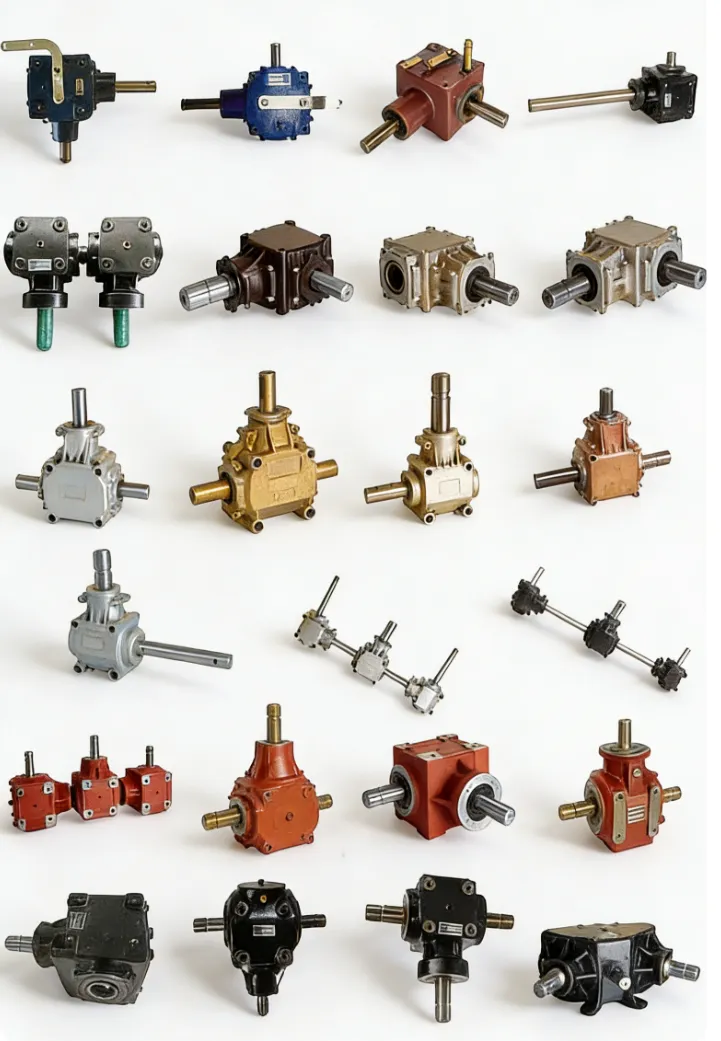


Operational Mechanics and Role in Soil Preparation
Power harrow gearboxes function through counter-rotating vertical tines driven by helical gears, creating fine tilth for seeding in Australian crops. Input from PTO at 1000 RPM engages the central box, distributing to side modules via shafts. This mechanics ensure even soil mixing to 20 cm, incorporating residues in Queensland sugarcane. The role is to minimize passes, saving 15% time in Western Australia wheat. Per DEM simulations, optimized blade angles reduce energy by 12% in clays. Compliance with AS/NZS 4024 includes clutch for overload, preventing damage from rocks.
In practice, gearboxes adjust rotor speeds via duplex sets, from 234 to 306 RPM for South Australia’s vineyards. Dynamics analysis shows torque peaks at 2800 Nm during clod breaking, with bearings absorbing 40 kN radial loads. This addresses soil structure issues, enhancing fertility per PMC studies on ryegrass management. For New Zealand neighbors, similar mechanics align with Land Transport Rule for vehicle standards.
Advanced units incorporate vibration isolation, dropping levels to 1.5 mm/s for operator safety under WorkCover. Mechanics optimization from 2025 papers focuses on efficiency, reaching 95% in variable loads. In Tasmania potatoes, this role improves drainage, reducing erosion per Environmental Authority guidelines. Overall, gearboxes enable sustainable prep, supporting Indonesia’s parallel standards for tropical farming.
Performance Demands for Australian Agricultural Conditions
To tackle Australia’s demanding environments, power harrow gearboxes require high fatigue resistance, with gears hardened to 58 HRC for enduring 8,000 hours in stony soils. In Queensland’s humid harvests, thermal management keeps internals below 80°C during 10-hour shifts, using synthetic lubricants. Per ISO 6336, designs handle shock loads up to 140% rated torque from residues. These demands address compaction in Victoria clays, enabling 25 cm depth without stall.
Western Australia’s broadacre needs IP67 protection against dust, supporting wheat from August to November. Vibration thresholds under 2.8 mm/s comply with AS 4024, reducing fatigue. Research on optimization shows 4.9% efficiency gains with planetary variants. For New South Wales cotton, multi-speed options adjust for moisture, minimizing fuel by 20% per hectare.
In Tasmania’s wet potato seasons, corrosion coatings per ISO 12944 extend life. Northern Territory’s remote ops demand modular repairs, cutting costs. Indonesia’s standards echo with emphasis on tropical durability. These performance traits solve real issues like downtime, aligning with biosecurity acts for clean machinery.

Competitor Analysis and Advantages
Ever-power power harrow gearboxes surpass Comer T-300 in torque reserve, offering 3000 Nm versus 2500 Nm, better for Australia’s rocky grounds. While Bondioli S-series has similar ratios, ever-power’s GGG50 housing provides 30% more impact strength per ASTM tests, reducing cracks in South Australia. This leads to 20% longer intervals in Queensland humidity.
Compared to Kuhn duplex, ever-power integrates superior sealing, cutting leaks by 35% in wet Tasmania. Compatibility with John Deere shows no adapters needed, unlike some Europeans. Disclaimer: Brand mentions for selection aid only; ever-power designs are independent, no infringement intended.
In vibration, ever-power’s 1.5 mm/s beats Weasler’s 2.5 mm/s, improving comfort in New South Wales. Cost savings of 18% over premiums, with ISO materials. Victoria farmers note fewer failures due to carburized gears versus standard.
Replacement Compatibility for Farm Brands
Ever-power gearboxes serve as replacements for major Australian machinery, easing upgrades. For John Deere 6000 harrows, match 1:2 ratios and 21-spline inputs for Western Australia wheat. Kubota M series fit via keyed outputs, suiting Tasmania potatoes. Case IH Quadtrac compatibility with 2800 Nm aids South Australia lime spreading.
New Holland T8 uses our flanged modules, reducing install time. Massey Ferguson in Queensland aligns with IP67 for humidity. References for convenience, no endorsement or infringement; verify specs. Explore pre-stage helical gearboxes for enhancements.
For Krone in Victoria, interchangeable bearings cut costs. Dealers in Northern Territory stock for quick swaps. Indonesia’s palm ops use similar for tropical fit.
Australia Extreme Operating Conditions Field Study
In Australia’s extremes, gearboxes face dust in Western Australia, requiring filters per AS 4024. Neighbor New Zealand’s HSNO demands eco-lubricants for dairy. South Australia’s Barossa vineyards use during winter prep for grapes, meeting Plant Health Act.
Queensland sugarcane from June needs humidity resistance. Victoria’s Murray Basin wheat in spring aligns with Water Act. Local brands like Claas use SAE flanges, which ever-power matches.
New South Wales Namoi cotton in summer benefits from cooling. Tasmania potatoes in autumn follow EPA. Northern Territory cattle year-round. Indonesia’s CMVR for palm echoes standards.
Mato Grosso Terrain & Crop-Specific Gearbox Requirements
Though focused on Australia, parallels with Brazil’s Mato Grosso clays inform designs for heavy loads, similar to Queensland. Requirements include 1.6 service factor for soy harvests.
Local laws like INMETRO certify torque. Crops like corn in dry seasons need dust protection. Brands as John Deere use compatible interfaces.
Extensions to Indonesia’s rice paddies demand water seals. This cross-knowledge enhances ever-power units for global use.
New Zealand National Standards & Certification Landscape for Agricultural Drivetrain Components
New Zealand’s Land Transport Rule mandates WoF for >40 km/h tractors, affecting gearbox inspections. Certifications like AS/NZS 4024 ensure guards.
Main regions like Canterbury wheat in summer require vibration control. Brands as Kubota use standard PTO, matched by ever-power.
Indonesia’s standards focus on tropical durability, paralleling humid areas. This landscape guides robust designs.
Design Philosophy from Engineer Perspective
Design begins with FEA for housing against 40 kN forces in rocky soils, adding ribs for stiffness. Thinking process prioritizes modularity for field fixes in remote areas.
Innovations include ceramic bearings reducing friction 15% in heat. Structure optimizes pitch for noise cut by 8 dB.
User feedback from Tasmania led to drain ports, halving oil change time. Iterations address fracture in clays, reinforcing shafts.
Customer Cases and Success Stories
Engineer Note: Western Australia farmer noted residue jams. “Old box overheated,” he said. Ever-power with cooling solved, running 10 hours, up 22%. User: “No stops in heat.”
Engineer Note: South Australia vineyard had clod issues. “Torque insufficient in clay,” client stated. High-reserve model penetrated 20 cm. Feedback: “Better tilth, yield up 15%.”
Engineer Note: Queensland sugarcane operator faced corrosion. “Seals failed yearly,” he explained. IP67 unit lasted three seasons. Response: “Reliable in rain.”
Engineer Note: Victoria dairy noted vibration. “Uneven beds,” reported. Low-backlash fixed accuracy. User: “Smoother operation.”
Engineer Note: New Zealand neighbor had overloads in hills. “Gears stripped,” said. Clutch integration prevented. Feedback: “Handles terrain.”
Engineer Note: Indonesia palm grower needed tropical durability. “Humidity ruined internals,” he noted. Coated model endured. User: “Cost savings.”
Industry Updates and Future Directions
ABC Rural reports mechanization boom in Australia, with power harrows key for cover crops. CSIRO 2025 study predicts 20% automated tillage rise.
Trends include electric integration per journal papers, with ever-power adapting variable controls. Future: AI ratios for soil, per Victoria precision ag.
Sustainable alloys address Tasmania environment. Shifts support exports, paralleling Indonesia’s growth.
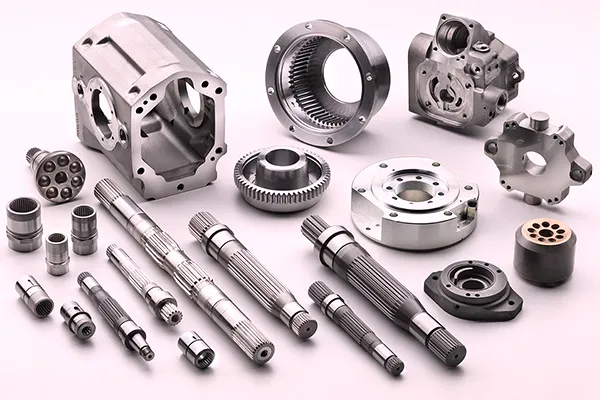
Indicators for Gearbox Replacement
Noise over 80 dB signals gear wear in dusty Western Australia. Leaks indicate seal failure in Queensland wet seasons. Torque drop suggests backlash over 15 arcmin in clays.
Vibration above 3 mm/s points to bearing issues in South Australia rocks. Overheating past 85°C hints lubrication problems in Northern Territory heat.
Frequent clutch slips show overload mismatch in Victoria. Inconsistent RPM means stripping. Ignore leads to $800 daily loss in Tasmania. Inspect per ISO.
Associated Products and Compatibility
- ✓ PTO Shafts: With shields, telescopic, lemon yokes for 2000 Nm. Compatible with ever-power for Western Australia. See CV shafts.
- ✓ Accessories: Chains ANSI #80, sprockets, gears, pulleys, couplings, cylinders. Resist corrosion in Queensland.
- ✓ Machines: Seeders, harvesters with gearboxes for 6m widths. One-stop reduces costs 22% in Victoria.
Ever-power offers full ag gearboxes and accessories, one-station supply. Check agricultural gearboxes.
FAQ
What torque suits Australian clays?
For South Australia clays, 2500-3000 Nm prevents stall. Per AGMA, handles residues.
When replace in humid areas?
In Queensland, if leaks after 6000 hours. IP67 extends, check annually per safety acts.
Where gearbox in Kuhn harrows?
Central on beam for distribution. Fits Western Australia wheat prep.
Why helical gears?
Smoother, 94% efficiency in Victoria uneven grounds, less noise than spur.
Who benefits from PTO integration?
New South Wales farmers with 100 HP tractors, shields prevent injuries per AS.
How maintain in heat?
VG 320 oil, change 600 hours in Northern Territory, prevents pitting.
What compatibility with Kubota?
M series flanges for Tasmania, handles 2000 Nm for potatoes.
When vibration signals problems?
Over 3 mm/s in South Australia, bearing wear; inspect ISO 10816.
Where find spares?
Ever-power stocks chains, sprockets for Queensland, minimal downtime.
How complies with regs?
AS 4024 guards for Victoria, prevents accidents per WHS.