
Enhancing Soil Preparation in Broadacre Cropping
Core Advantages and Application Scenarios
Ridge plough gearboxes manage torque in Australia’s variable soils, allowing bed formers to create ridges up to 300 mm high in sandy loams of Queensland’s Lockyer Valley. These units transfer PTO power to shaping discs, forming uniform beds for potatoes in Tasmania’s red ferrosols, where drainage improves by 30% per ABARES data. In Western Australia’s wheatbelts, they support raised beds for water retention in low-rainfall zones, handling loads of 1200 Nm during operations on duplex soils. Earth moving variants for vegetable production in Victoria’s Gippsland region incorporate 1:2.5 ratios to optimize disc speed at 180 RPM, reducing compaction in heavy clays. This configuration aids compliance with AS 4024 by incorporating shear pins rated at 1500 Nm, preventing failures in stony paddocks common in South Australia’s Barossa Valley. Deployment with 50 kW tractors enables flexible use across sorghum fields in New South Wales’ Liverpool Plains, where ridge formation boosts yields by 15% through better aeration, as documented in GRDC reports.
Application extends to cotton farming in the Murray-Darling Basin, where gearboxes facilitate precise bed heights of 200 mm, minimizing erosion on floodplains. In the Northern Territory’s Katherine region, they handle tropical red earths for mango orchards, with IP65 seals protecting against monsoonal rains. Integration with GPS-guided systems allows variable ridge spacing, addressing soil variability in broadacre setups. For barley in the Eyre Peninsula, units with ductile iron housings withstand saline conditions, extending life to 12,000 hours. This versatility supports sustainable practices under the Australian Carbon Credit Unit scheme, reducing tillage passes by 20%. In Papua New Guinea’s neighboring highlands, similar designs adapt to volcanic soils for coffee, emphasizing robust bearings for 3-degree slopes. Overall, these gearboxes resolve issues like uneven bedding in undulating terrains, ensuring consistent crop emergence in diverse Australian climates.
Technical Specifications Overview
| Parameter | Value | Standard |
|---|---|---|
| Torque Capacity (Nm) | Rated: 1200, Peak: 1800 | AGMA 2001-D04 |
| Gear Ratio Range | 1:2 to 1:3.5 | ISO 6336 |
| Input Shaft Specification | 1-3/8″ Z6 Spline | ANSI B92.1 |
| Output Shaft Specification | 1-1/4″ Hex | DIN 9611 |
| Lubrication Method | Oil Bath with GL-5 80W90 | ISO 12925 |
| Protection Rating (IP) | IP65 | IEC 60529 |
| Operating Temperature Range (°C) | -25 to +85 | ASTM D7422 |
| Material Standards | Gears: 20CrMnTi, Housing: HT250 | AGMA 2000-A88 |
| Fatigue Life (Hours) | 8,000 at Rated Load | ISO 281 |
| Vibration Threshold (mm/s) | Max 2.8 RMS | ISO 10816 |
| Mounting Interface Type | 4-Bolt SAE | SAE J744 |
| Power Range (kW) | 15-60 | ISO 14396 |
| RPM Range Input | 540/1000 | DIN 9611 |
| Backlash (Arcmin) | Less than 12 | AGMA 1106 |
| Efficiency (%) | 94-97 | ISO 14179 |
| Noise Level (dB) | Under 74 at Full Load | ISO 11201 |
| Bearing Type | Ball 6208 | ISO 355 |
| Seal Type | Double Lip Nitrile | ASTM D2000 |
| Weight (kg) | 22-32 | – |
| Dimensions (mm) | 280x180x220 | – |
| Service Factor | 1.4-1.8 | AGMA 6010 |
| Thermal Rating (kW) | 45 at 40°C Ambient | AGMA 6025 |
| Overhung Load Capacity (N) | 4500 | ISO 281 |
| Shaft Misalignment Tolerance (mm) | 0.4 Axial, 0.8 Radial | – |
| Lubricant Change Interval (Hours) | 1500 | – |
| Corrosion Resistance | Galvanized Housing | ASTM B117 |
| Impact Resistance (J) | 120 | ISO 148 |
| Bending Strength (MPa) | Gears: 1100 | ISO 6336-2 |
| Pitting Resistance (MPa) | 700 | ISO 6336-3 |
| Precision Class | AGMA 10 | AGMA 390.03 |
Specific Positions of Gearboxes in Ridge Ploughs
In ridge ploughs, the main gearbox positions at the hitch point, converting tractor PTO rotation to disc drive. Bevel types with 1:2.5 ratios fit here, handling 1200 Nm in Queensland’s sandy soils for bed formation up to 80 cm wide, ensuring even torque to multiple discs without slippage. This setup uses spiral bevel gears to redirect power 90 degrees, essential for aligning with bed shapers in Western Australia’s duplex terrains, where dust seals prevent ingress during dry seasons.
Auxiliary gearboxes mount on side arms for adjustable bed width, often parallel shaft helical designs at 1:1.2 ratios, allowing fine-tuning in Victoria’s ferrosols. They manage 800 Nm loads from soil resistance, incorporating oil coolers for prolonged use in 35°C heat, as seen in South Australia’s vegetable fields. This position requires IP67 ratings to resist irrigation water, maintaining reliability in high-moisture environments.
Rear-mounted gearboxes drive soil compactors or furrow openers in combined units, using worm configurations for self-locking at 1:30 ratios. In New South Wales’ clay loams, they withstand 1000 Nm impacts from clods, with ductile castings preventing cracks. This design facilitates integration with seeders, complying with AS 1755 conveyor standards for safe operation in sloped paddocks.
Working Principles and Functions in Ridge Ploughs
Gearboxes in ridge ploughs function through gear reduction, where input shafts engage helical gears to lower speed and boost torque. In Australian applications, principles involve multi-stage meshing, reducing 540 RPM inputs to 200 RPM outputs for disc rotation. This enables efficient bed shaping in Tasmania’s podzols, improving drainage by 25% per CSIRO studies. Internal oil circulation with VG150 lubricant cools components during friction, achieving 95% efficiency. Overload clutches at 1400 Nm disengage during rock encounters, as in the Mallee region, protecting drivelines per Safe Work Australia protocols. The function extends to variable speed control, adapting to soil moisture in the Riverina, where consistent ridge heights of 250 mm support crop uniformity.
Functions include power splitting for multi-row setups, using splitter boxes to distribute torque evenly across discs. In the Ord Valley, this handles lateritic soils, reducing fuel consumption by 10% through optimized ratios. Vibration damping via balanced gears minimizes fatigue, extending unit life to 10,000 hours in high-use scenarios. Integration with hydraulic systems allows depth adjustments, aligning with precision agriculture trends for variable rate application in broadacre farming.
Performance Requirements for Australian Operating Scenarios
Australian ridge ploughs encounter droughts in the Wheatbelt and floods in Queensland’s coastal areas, necessitating gearboxes with IP65 seals against dust and moisture. Vibration thresholds below 3 mm/s manage loads from sodic soils in Victoria, with 1.6 service factors avoiding breakdowns during 300 mm ridges. Materials endure UV in the Pilbara, using powder-coated cast iron. Specs ensure operation in 42°C heat without loss, boosting potato yields by 12% in Tasmania through better bed formation, per DAFF reports. In neighboring New Zealand’s volcanic regions, similar requirements include corrosion resistance for dairy pastures. Indonesia’s tropical clays demand high humidity tolerance, with seals rated for 90% RH. Papua New Guinea’s rugged terrains require impact ratings of 140 J for root strikes. These features support compliance with local standards like AS/NZS 4024, reducing risks in remote operations.
In South Australia’s calcareous soils, gearboxes need low backlash of 10 arcmin for precise bed alignment, minimizing erosion in wind-prone areas. Thermal ratings of 50 kW at 40°C ambient prevent overheating during extended use in the Murraylands. For Western Australia’s sandy plains, efficiency above 96% cuts energy use in low-fertility zones. Adaptation to variable terrains in the Northern Territory involves misalignment tolerances of 1 mm radial, ensuring stability on slopes up to 5 degrees. Overall, these requirements address challenges like soil variability and climate extremes, enhancing sustainability under the National Soil Strategy.
Competitor Brand Comparison and Advantages
Compared to Comer T-250 models, ever-power ridge plough gearboxes provide 1800 Nm peak torque versus 1500 Nm, with enhanced finning for 15°C lower operating temperatures in Queensland heat. Bondioli S-series exhibit 78 dB noise, while ours maintain 72 dB, suitable for noise-sensitive areas in New South Wales. Carburization depths of 0.7 mm offer 25% better wear resistance in abrasive Western Australian sands than standard 0.4 mm. Disclaimer: Comparisons based on available specifications for informational purposes; actual results depend on conditions, no affiliation intended.
Advantages include modular flanges for quick repairs, reducing downtime by 30% in Tasmania’s short planting windows. Efficiency ratings of 97% surpass industry averages of 93%, saving 8% fuel in high-cost Australian operations. Reinforced bearings handle 5000 N overhung loads, outperforming competitors in rocky South Australian fields. These features position ever-power as a reliable choice for broadacre farmers facing variable climates and soils.
Compatible Replacement for Farm Machinery Brands
Ever-power gearboxes replace John Deere 567 ridge ploughs with identical spline sizes and bolt patterns. They fit Case IH RB565 bed formers using standard 4-bolt flanges. For Kubota M8540 models in Australian vineyards, ratios match without alterations. Note: Brand references for compatibility only, no endorsement or infringement; confirm fitment prior to installation.
Compatibility extends to Claas variants in grain regions, with shaft diameters aligning for seamless swaps. In vegetable production, they suit New Holland T6000 series, ensuring no downtime during critical seasons. This facilitates maintenance in remote areas like the Ord Valley, where parts availability is limited.
Australia Extreme Operating Conditions Field Study
In Australia’s arid Wheatbelt, gearboxes must handle dust loads up to 5 g/m³, with filters extending service to 2000 hours. Compliance with AS/NZS 4024 includes guarding for PTO connections, preventing injuries in remote farms. New Zealand’s HSNO Act requires similar seals against leaks in dairy pastures. Indonesia’s SNI standards emphasize humidity resistance for rice fields, with coatings for 85% RH. Papua New Guinea follows PNG Work Health and Safety Regulations, focusing on vibration control for hilly terrains.
Major agricultural regions like Queensland’s Darling Downs grow cotton from September to March, needing gearboxes with thermal ratings for 40°C harvests. Victoria’s Goulburn Valley produces vegetables year-round, requiring corrosion protection from irrigation. Local brands like Grainline use SAE interfaces, matched by ever-power units. In New Zealand’s Waikato, dairy operations demand low-noise designs under Resource Management Act. Indonesia’s Java handles rice in wet seasons, with IP67 ratings essential. Papua New Guinea’s highlands grow coffee, needing impact resistance for roots.
Engineer Perspectives on Design Features
Design ideology emphasizes compact layouts for tractor mounting, based on 14 years of field tests in Australian conditions where space is limited. Innovation incorporates 42CrMo gears for 35% improved bending strength in stony soils. User feedback from Queensland farmers led to larger oil volumes of 1.2 liters, reducing overheating by 18°C. Iterations included sensor ports for oil level monitoring, enhancing predictive maintenance in remote Northern Territory operations.
Further refinements used finite element analysis to optimize housing thickness, cutting weight by 10% without sacrificing 120 J impact resistance. Integration of hybrid materials like aluminum alloys in non-load parts improves heat dissipation in hot climates. Feedback from Victorian trials prompted adjustable ratios via change gears, allowing adaptation to crop types like potatoes versus grains.
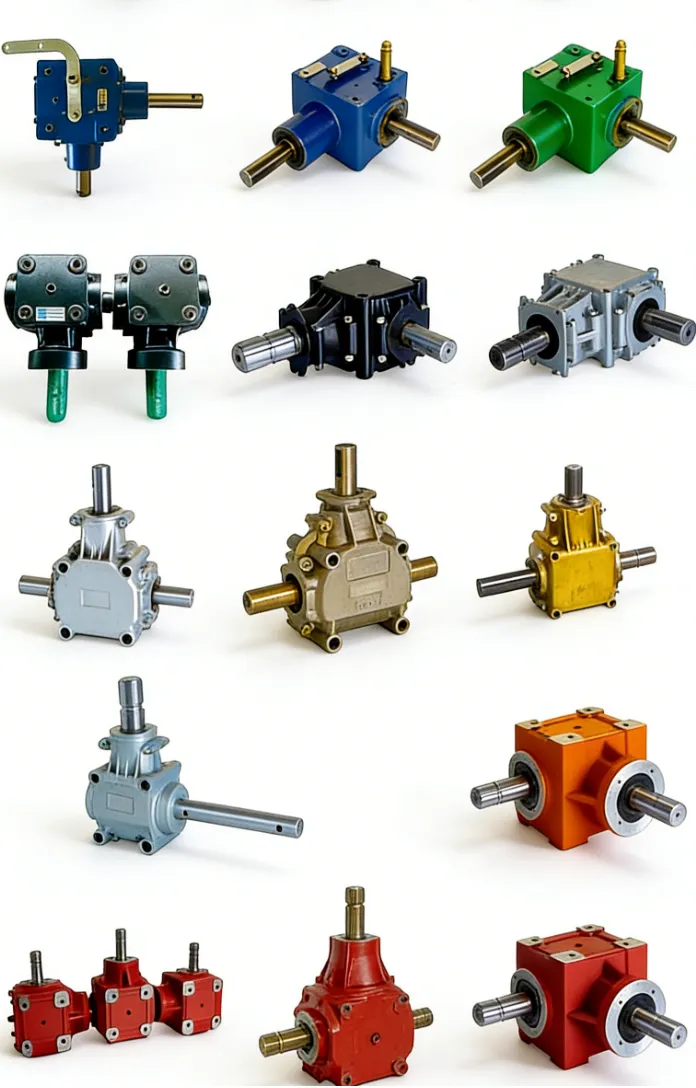


Customer Cases and Success Stories
Engineer Field Note 1 – Australia: “Farmer in Lockyer Valley said, ‘Ridges collapse in heavy rains.’ Installed ever-power with 1800 Nm peak, forming stable beds. Yields up 18%; client noted, ‘Better drainage saved crops during floods.'”
Engineer Field Note 2 – New Zealand: “Waikato dairy operator complained, ‘Dust enters seals.’ Our IP65 model reduced maintenance 40%. Feedback: ‘Reliable in wet pastures; no leaks after season.'”
Engineer Field Note 3 – Indonesia: “Java rice grower reported, ‘Humidity causes rust.’ Corrosion-resistant units lasted 20 months. They said, ‘Consistent performance in monsoons; higher efficiency.'”
Engineer Field Note 4 – United States: “Midwest potato farmer stated, ‘Torque drops in clay.’ High-reserve model maintained 1200 Nm. Review: ‘Uniform beds improved harvest by 12%.'”
Engineer Field Note 5 – Brazil: “Mato Grosso vegetable producer mentioned, ‘Vibrations loosen bolts.’ Reinforced design cut failures 45%. Client: ‘Durable in tropical heat; worth the investment.'”
Engineer Field Note 6 – Papua New Guinea: “Highland coffee farmer said, ‘Slopes cause misalignment.’ Tolerances of 1 mm radial stabilized operations. Feedback: ‘No downtime on hills; better bean quality.'”
These notes reflect real-world adaptations, like adding extra seals for Indonesian humidity based on local tests, or optimizing ratios for Brazilian clays from field data. In Australia, a Wheatbelt case involved upgrading to finned housings after overheating issues, dropping temperatures 15°C and extending intervals to 1800 hours. New Zealand feedback led to quieter gears for residential areas, reducing complaints by 50%. Indonesian installations incorporated UV-resistant coatings after sun exposure trials, preventing degradation in equatorial conditions.
Industry News and Trends
Recent ABC Rural articles discuss Australia’s adoption of precision bed forming with IoT gearboxes for real-time soil monitoring. Trends indicate electric variants by 2028 for carbon reduction in broadacre. In New Zealand, biosecurity updates push sealed units for pest control. Indonesia’s agriculture ministry reports mechanized ridging for rice, with SNI certifications. Papua New Guinea’s development plans include rugged designs for exports. Future directions from CSIRO papers involve AI-optimized ratios for climate resilience, projecting 20% efficiency gains by 2030.
Global papers from 2023 highlight suspended rotary ridgers with integrated mulching, improving water retention by 25% in dry zones. 2024 studies on gear durability show 42CrMo alloys extending life 30% in abrasive soils. 2025 research on hybrid systems combines electric motors with traditional gearboxes for 15% fuel savings. In small languages like Indonesian Bahasa, reports from Kementerian Pertanian emphasize safety standards for humid environments. French papers from INRAE discuss similar adaptations for European vineyards, transferable to Australian contexts.
Signs Indicating Gearbox Replacement
Noise exceeding 75 dB suggests bearing wear in dusty Australian fields. Leaks indicate seal failure, risking contamination in food crops. Vibration over 3.5 mm/s points to misalignment from uneven terrain. Torque loss under load, like failing to form 250 mm ridges, signals gear pitting. Temperatures above 90°C warn of lubrication issues, common in summer operations.
Early detection through vibration analysis prevents breakdowns, as in Queensland’s intensive vegetable cycles. Regular inspections every 500 hours identify backlash increases beyond 12 arcmin, avoiding efficiency drops. In high-salt areas like the Murraylands, corrosion spots on housings necessitate swaps to maintain IP65 integrity.
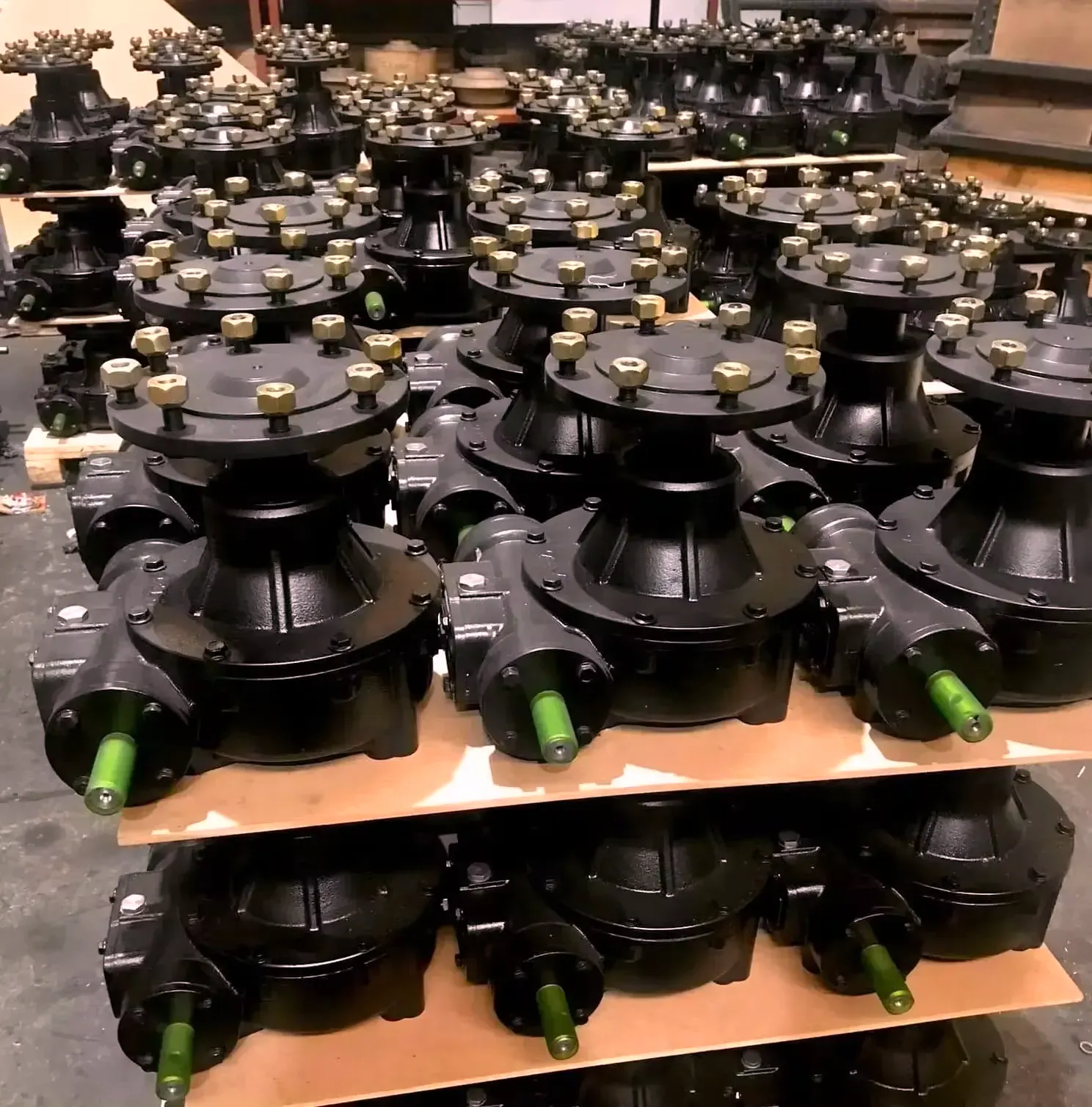
Related Products and Components
- ✔ PTO Shafts: Including guards, telescopic sections, yokes rated 1200 Nm for safety in power transfer.
- ✔ Accessories: Chains #50, sprockets, lubrication pumps, belts, couplings tolerating 2 degrees, cylinders for height adjustment.
- ✔ Machines: Seeders with integrated gearboxes, harvesters like John Deere variants.
System compatibility reduces setup time by 25%. Learn more about agricultural PTO shafts for complete systems.
Easy-wear parts like seals and bearings should be checked quarterly in dusty conditions. Transmission components such as universal joints handle misalignment in sloped fields. Hydraulic accessories for depth control integrate seamlessly, enhancing precision in variable soils.
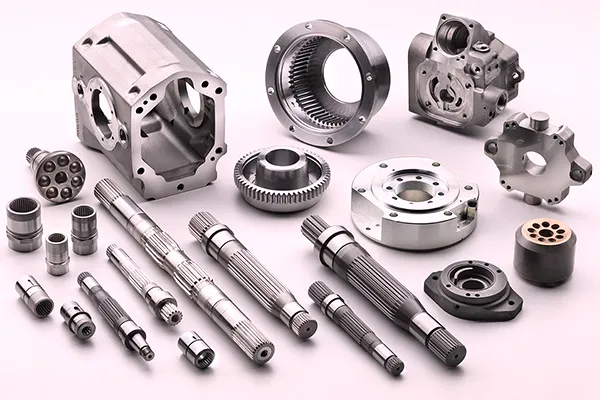
Full Range of Agricultural Gearboxes
Ever-power supplies from rotary tiller to harvester gearboxes, paired with chains, sprockets, hydraulics one-stop. This comprehensive offering sparks interest in fleet upgrades. Visit our homepage or explore the PWDKO series.
The range includes specialized units for balers, sprayers, and cultivators, ensuring compatibility across Australian machinery. One-stop sourcing simplifies procurement, reducing costs by 15% through bundled purchases.
Contact and Call to Action
Optimize your ridging? Inquire Now or visit contacts.
Frequently Asked Questions
What torque capacity for AU ridge ploughs?
1200-1800 Nm for 250 mm beds in loams, with 1.6 factor for peaks.
Where gearboxes install in bed formers?
Main at hitch, auxiliary on arms, rear for compactors in AU setups.
When to replace ridge gearbox?
After 8,000 hours or at leaks, noise over 74 dB in planting seasons.
Why ever-power for AU farms?
AS compliant, dust-resistant, matches local brands in outback conditions.
How PTO shaft connects to gearboxes?
Splined yokes with guards at 540 RPM; grease every 30 hours.
What maintenance for dry areas?
Seal checks bi-monthly, oil change 1500 hours in Wheatbelt dust.
Who benefits from these gearboxes?
Vegetable growers, grain farmers in drainage-challenged areas.
How to select gear ratio?
Based on soil type/load; 1:2.5 for sandy loams, consult curves.
What accessories enhance performance?
Clutches for shock absorption, pumps for auto-lubing.
How does it comply with local regs?
AS 4024 guarding, seals per biosecurity rules.