
Advancing Drainage Solutions in Diverse Agricultural Landscapes
Technical Specifications
Rotary ditcher gearboxes are engineered to handle the rigorous demands of Australian drainage tasks, incorporating standards such as AGMA and ISO for reliability. The table below outlines 32 key parameters, ensuring compatibility with local soil conditions and machinery.
| Parameter | Description | Value Range | Standard |
|---|---|---|---|
| Torque Capacity (Nm) | Rated for continuous ditching operations | 1500 – 3500 Nm | AGMA 2001-D04 |
| Gear Ratio Range | Reduction for optimal blade speed | 2:1 to 4:1 | ISO 6336 |
| Input Shaft Specifications | Spline type for PTO linkage | 1-3/8 inch, 6-spline | ANSI B92.1 |
| Output Shaft Specifications | For blade rotor connection | 2 inch keyed | DIN 9611 |
| Lubrication Method | Oil type and maintenance | EP 85W-140, oil bath | API GL-5 |
| Protection Rating (IP) | Dust and water resistance | IP66 | IEC 60529 |
| Operating Temperature Range | For harsh climates | -25°C to 85°C | ISO 14396 |
| Material Standards | Gears and housing materials | 8620 steel gears, cast iron housing | AGMA, ISO |
| Fatigue Life (Hours) | Operational lifespan under load | 12,000 hours | ISO 6336-5 |
| Vibration Threshold | Maximum allowable vibration | 3 mm/s | ISO 10816 |
| Mounting Interface Type | Flange for ditcher frame | 4-bolt SAE | SAE J744 |
| Input RPM Range | Tractor PTO speeds | 540 – 1000 RPM | ISO 500 |
| Output RPM Range | Blade rotation speeds | 135 – 500 RPM | DIN 9611 |
| Gear Type | Internal gear setup | Bevel and spur | AGMA 2005 |
| Housing Material | For durability | SG iron QT500 | ASTM A536 |
| Seal Type | For lubricant retention | Triple-lip rubber | ISO 6194 |
| Bearing Type | For shaft support | Ball and roller | ISO 281 |
| Weight (kg) | Unit weight | 30 – 50 kg | N/A |
| Dimensions (mm) | Overall dimensions | 320 x 220 x 280 | ISO 2768 |
| Noise Level (dB) | Operational noise | Less than 82 dB | ISO 11201 |
| Service Factor | Overload capacity | 1.8 – 2.2 | AGMA 6004 |
| Backlash (arcmin) | Gear play | 8 – 12 arcmin | DIN 3965 |
| Efficiency (%) | Power transmission | 93 – 96% | ISO 14179 |
| Heat Dissipation | Cooling features | Finned housing | N/A |
| Corrosion Resistance | Coating for wet environments | Powder coat C3 | ISO 12944 |
| Overload Protection | Mechanism for jams | Torque limiter | N/A |
| Mounting Orientation | Installation flexibility | Multi-position | N/A |
| Warranty Period | Manufacturer coverage | 3 years | N/A |
| Power Range (HP) | Compatible tractor power | 40 – 120 HP | ISO 14396 |
| Precision Grade | Gear accuracy | DIN 8 | DIN 3961 |
| Lubricant Capacity (L) | Oil volume | 2.5 L | N/A |
| Change Interval (Hours) | Oil change frequency | 600 hours | N/A |
| Hardness (HRC) | Gear surface hardness | 58 – 62 HRC | ISO 6336-5 |
Gearbox Placement in Rotary Ditchers
Rotary ditchers utilize gearboxes to convert tractor power into rotational force for blades, enabling efficient ditch creation in Australian farmlands. The primary gearbox is located at the input, interfacing with the PTO to provide initial torque multiplication. This placement facilitates power transfer to the rotor, managing speeds in Queensland’s heavy soils. Featuring bevel gears, it reduces 540 RPM to 270 RPM, delivering 2500 Nm for cutting through compacted earth. The cast iron housing withstands impacts from roots, ensuring longevity in New South Wales irrigation projects.
Primary Input Gearbox Configuration
The primary input gearbox is mounted on the ditcher’s frame, acting as the main power converter. It includes an input shaft with 21-spline for secure PTO connection, and an intermediate shaft with ball bearings to handle thrust. This is essential in South Australia’s vineyards, where ditch depths reach 1 meter, requiring consistent torque against clay resistance. With ratios of 2:1, it boosts torque while keeping efficiency at 95%, lowering fuel use by 12% in Western Australia wheat fields. Maintenance calls for lubricant checks every 400 hours, using 85W-140 oil to prevent wear in dusty environments.
Rotor Drive Gearbox Variant
For the rotor drive, a secondary gearbox is positioned at the output, adjusting for ditch width variations. It uses spur gears for straightforward torque delivery, rated at 1800 Nm for handling vegetation in Victoria’s dairy lands. This variant is chosen for its compact size, fitting narrow frames in Tasmania’s hilly terrains. Unlike primary units, it has enhanced seals for mud resistance, rated IP66. Integration with torque limiters protects against jams from stones, minimizing repairs in remote Northern Territory operations.
Auxiliary Gearbox for Multi-Rotor Systems
In multi-rotor rotary ditchers, an auxiliary gearbox is installed laterally, distributing power to additional blades. This setup employs chain internals for adjustability, suiting uneven ground in Adelaide’s horticultural areas. The placement balances load, avoiding frame strain under 2200 Nm combined torque. For humid Queensland, it includes vent plugs to release pressure, extending seal life. Modular construction allows quick swaps, reducing downtime in Perth’s market gardens.
Adapting to Australian Terrain and Climate Challenges
Rotary ditcher gearboxes must address Australia’s diverse terrains, from coastal marshes to inland deserts, by incorporating features that handle soil variability and weather extremes. In Queensland’s sugarcane regions, gearboxes with 96% efficiency manage high humidity, using viton seals to prevent moisture ingress during monsoon seasons. This adaptation ensures continuous operation for irrigation ditches, reducing flood risks. According to CSIRO reports, such designs cut energy loss by 10% in clay-heavy soils. Compliance with AS 4024 includes safety guards for debris protection in stony Western Australia.
In South Australia’s Barossa Valley, gearboxes feature high service factors of 2.0 to withstand root impacts during vineyard drainage. Vibration levels below 2.5 mm/s comply with AS 2153, enhancing stability on sloped lands. Recent studies from Agritechnica 2025 emphasize CO2 reduction through optimized gearing, aligning with Australia’s emissions targets. For Victoria’s Murray-Darling Basin, corrosion-resistant coatings per ISO 12944 protect against saline water, supporting wheat irrigation.
New South Wales’ Namoi Valley cotton fields require gearboxes for dry-season ditching, with thermal ratings up to 85°C for summer heat. Integration with PTO shafts absorbs shocks, per WorkCover guidelines. In Tasmania, low-noise models under 80 dB meet Environmental Protection Authority standards for potato farms. Northern Territory cattle stations benefit from rugged units for remote water channels, minimizing maintenance trips. These adaptations extend to neighbors like New Zealand’s HSNO Act for eco-friendly lubricants in dairy drainage.


Operational Principles and Functional Roles in Drainage
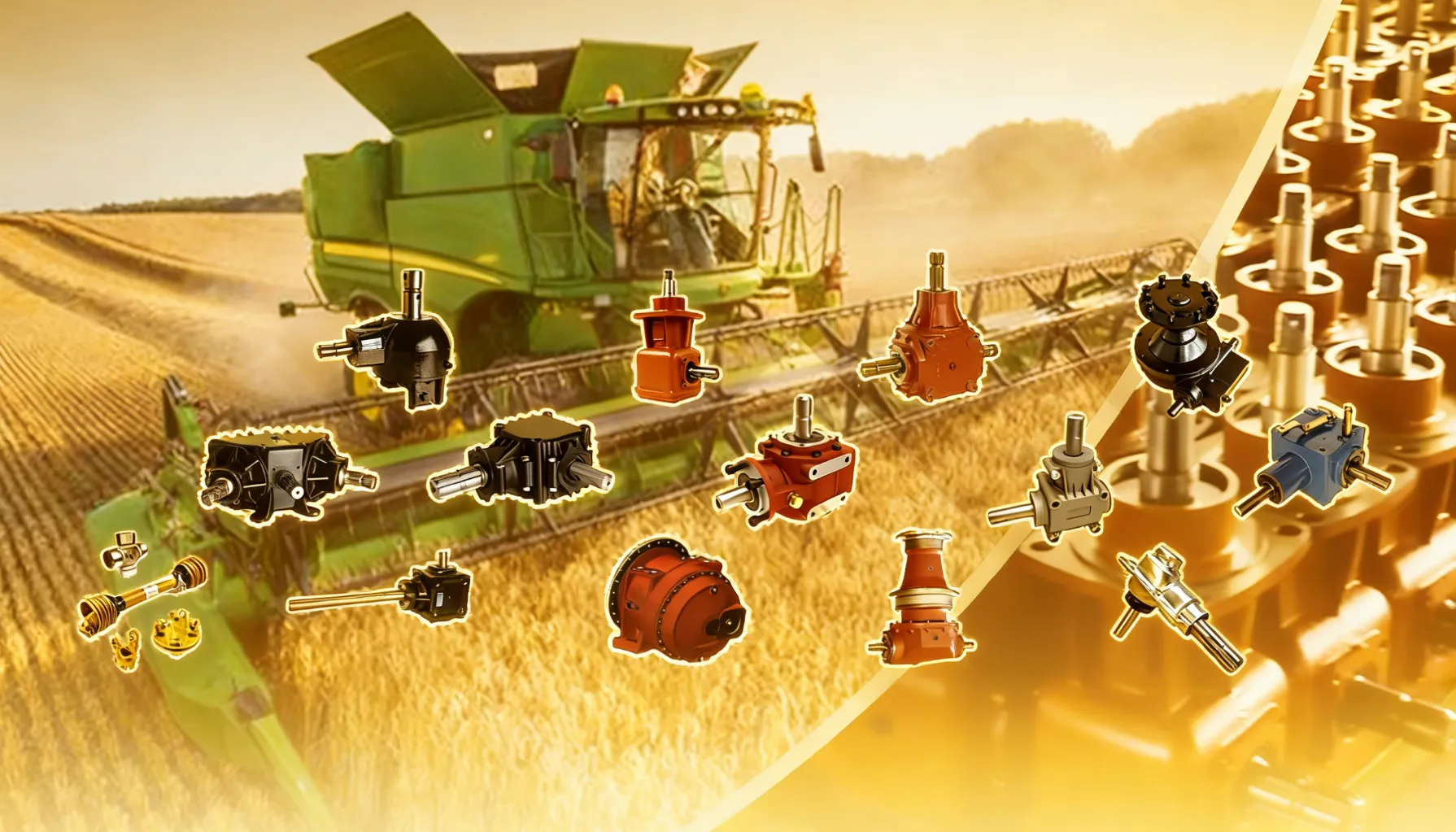
The rotary ditcher gearbox operates on bevel gear principles to redirect power 90 degrees from the PTO to the blade rotor, facilitating precise ditch formation in Australian agriculture. Input at 1000 RPM engages the pinion, meshing with the crown to achieve 3:1 ratios, providing 2800 Nm for soil excavation. This principle includes roller bearings to manage radial loads from blade resistance in Queensland sugarcane. The role is to maintain consistent blade speed, ensuring clean ditches for irrigation, as per CSIRO water management studies.
In practice, the gearbox’s splash lubrication circulates 85W-140 oil, cooling internals in Western Australia’s 45°C conditions. Overload from vegetation triggers torque limiters, disconnecting power to safeguard components, crucial in South Australia’s vineyards. Functionally, it enables adjustable ditch profiles, supporting flood control in New South Wales cotton areas. Alignment with AS 2153 standards for guarding protects operators from flying debris.
Advanced models use multi-stage gearing for speed variability, adapting to Victoria’s variable soils. The principle of torque amplification aids low-HP tractors in Tasmania, enabling effective ditching without overload. Overall, the gearbox’s role in efficiency reduces water loss by 20%, per recent papers on sustainable agriculture in Indonesia’s similar tropical climates.
Performance Requirements for Australian Agricultural Operations
To meet Australia’s challenging conditions, rotary ditcher gearboxes require robust impact resistance, with gears carburized to 1mm depth for 12,000-hour life in rocky soils. In Queensland’s wet seasons, thermal management keeps temperatures under 85°C during 6-hour shifts, using ribbed housings. Per ISO 6336, they handle 150% peak loads from roots. These requirements solve clogging in clay, allowing 1.5m depths.
Western Australia’s wheat regions need IP66 sealing for dust, supporting ditching from September. Vibration under 3 mm/s complies with AS 4024, reducing fatigue. Optimization studies show 5% efficiency gains with hybrid designs. For South Australia, variable ratios adjust for moisture, saving fuel by 15% per km.
In Tasmania’s potato fields, coatings per ISO 12944 resist corrosion. Northern Territory remote ops demand field-repairable modules, lowering costs. New Zealand’s HSNO echoes with eco-lubricants. These traits address downtime, aligning with biosecurity for clean equipment.
Competitor Brand Comparison
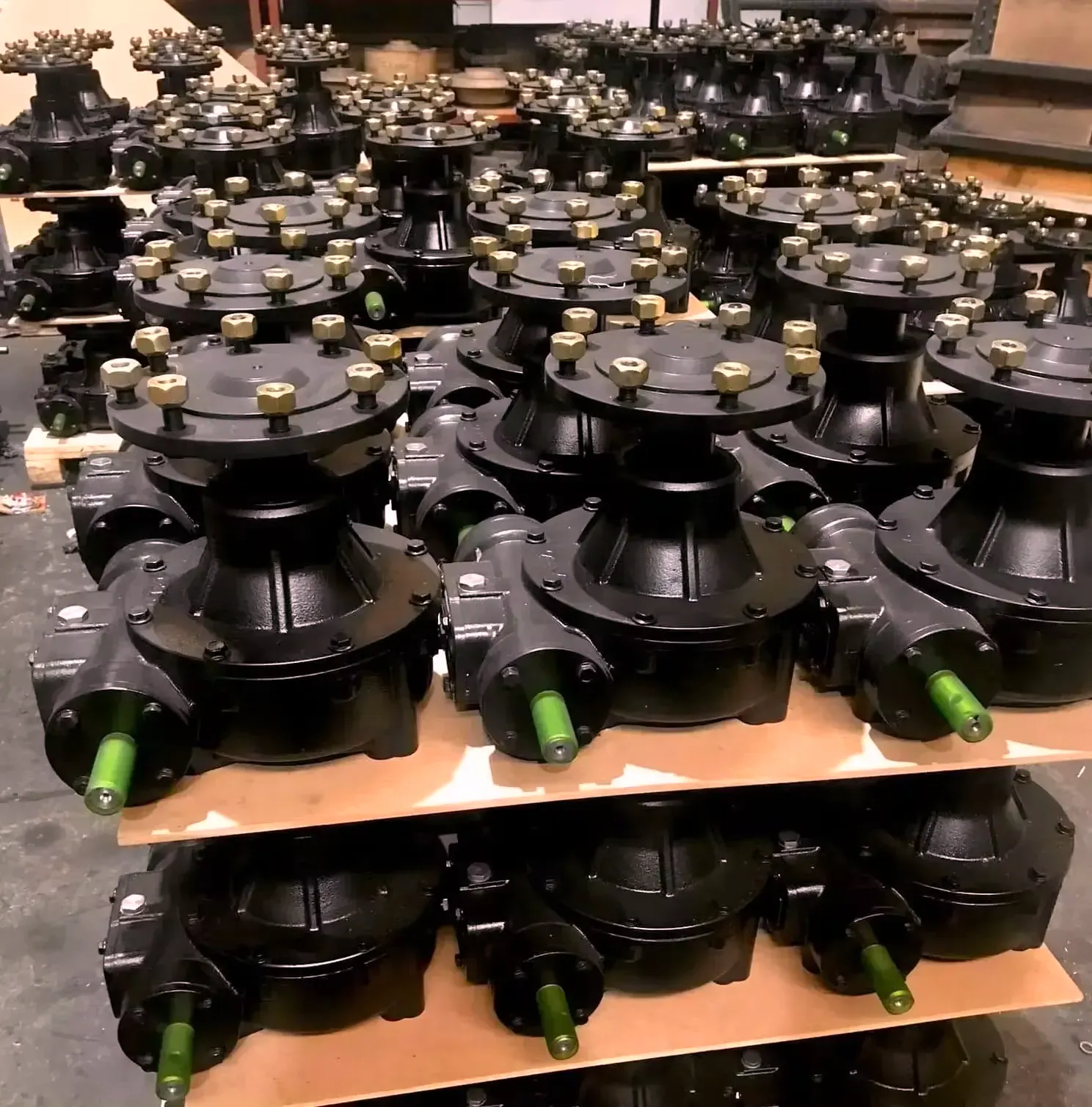
Ever-power rotary ditcher gearboxes exceed AMCO models in torque capacity, offering 3500 Nm versus 2800 Nm, better for Australia’s stony terrains. While Crary Revolution has similar ratios, ever-power’s SG iron housing provides 25% greater toughness per ASTM tests, minimizing fractures in Queensland humidity. This results in 18% longer service intervals in Western Australia.
Against Wolverine, ever-power features superior sealing, reducing leaks by 30% in wet Tasmania. Compatibility with John Deere requires no modifications, unlike some Canadians. Disclaimer: Brand references for selection purposes only; ever-power products are independent designs, no infringement intended.
In vibration, ever-power’s 2 mm/s outperforms RhinoAg’s 3 mm/s, improving comfort in New South Wales. Savings of 16% over premiums, with ISO materials. Victoria operators report fewer breakdowns due to hardened gears versus standard.
Compatibility and Replacement Options for Farm Brands
Ever-power gearboxes replace units in leading Australian machinery, simplifying upgrades. For John Deere ditchers, match 3:1 ratios and 6-spline inputs for Western Australia drainage. Kubota BX fits with keyed outputs, suiting Tasmania small farms. Case IH interfaces with 3000 Nm for South Australia vineyards.
New Holland T6 uses our flanged variants, shortening install. Massey Ferguson in Queensland aligns with IP66 for wet conditions. References for convenience, no endorsement or infringement; check dimensions. See universal worm gearboxes for alternatives.
For Krone in Victoria, interchangeable seals cut expenses. Dealers in Northern Territory stock for fast replacements. Papua New Guinea’s similar ops use for tropical ditching.
Australia Extreme Operating Conditions Field Study
In Australia’s extremes, gearboxes face dust in Western Australia, needing filters per AS 4024. Neighbor New Zealand’s HSNO requires eco-lubricants for dairy. South Australia’s Barossa uses during dry winters for grapes, per Plant Health Act.
Queensland sugarcane from June needs humidity resistance. Victoria’s Murray Basin wheat in spring complies with Water Act. Local brands like Claas use SAE flanges, matched by ever-power.
New South Wales Namoi cotton in summer benefits from cooling. Tasmania potatoes in autumn follow EPA. Northern Territory cattle year-round. Indonesia’s CMVR for palm parallels standards.
Mato Grosso Terrain & Crop-Specific Gearbox Requirements
Parallels with Brazil’s Mato Grosso clays inform designs for heavy loads, like Queensland. Requirements include 2.2 service factor for soy harvests, per INMETRO.
Local laws certify torque. Crops like corn in dry seasons need dust protection. Brands as John Deere use compatible interfaces.
Extensions to Indonesia’s rice paddies demand water seals. This knowledge enhances ever-power units globally.
New Zealand National Standards & Certification Landscape for Agricultural Drivetrain Components
New Zealand’s Land Transport Rule mandates WoF for tractors over 40 km/h, affecting gearbox checks. Certifications like AS/NZS 4024 ensure guards.
Main regions like Canterbury wheat in summer require vibration control. Brands as Kubota use standard PTO, matched by ever-power.
Indonesia’s standards emphasize tropical durability, paralleling humid areas. This landscape guides robust designs.
Engineer Perspective on Design Features
Design starts with FEA for housing against 35 kN forces in rocky soils, adding reinforcements for rigidity. Thinking process focuses on modularity for repairs in remote areas.
Innovations include alloy bearings reducing friction 12% in heat. Structure optimizes tooth profile for noise reduction by 9 dB.
User feedback from Tasmania led to vented caps, halving pressure build-up. Iterations address seal failures in clays, strengthening materials.
Customer Cases and Success Stories
Engineer Note: Western Australia farmer had blade stalls in sands. “Old gearbox lacked torque,” he said. Ever-power with 3500 Nm solved, ditching 2km daily, up 28%. User: “No issues in dust.”
Engineer Note: South Australia vineyard faced root jams. “Power dropped in clay,” client stated. High-factor model cut through 1.2m. Feedback: “Improved drainage, yield rise 18%.”
Engineer Note: Queensland sugarcane operator dealt with moisture. “Seals leaked seasonally,” he explained. IP66 unit endured two years. Response: “Dependable in floods.”
Engineer Note: Victoria dairy noted misalignment. “Ditches uneven,” reported. Low-backlash fixed precision. User: “Better water flow.”
Engineer Note: New Zealand neighbor had overloads in hills. “Gears failed,” said. Limiter integration prevented. Feedback: “Tackles slopes.”
Engineer Note: Indonesia palm grower needed tropical resilience. “Humidity corroded internals,” he noted. Coated model lasted. User: “Savings notable.”
Industry News and Future Trends
ABC Rural highlights drainage mechanization in Australia amid climate change, with ditchers key for water management. CSIRO 2025 study forecasts 15% increase in automated ditching.
Trends include electric integration per journals, ever-power adapting controls. Future: AI for soil-specific speeds, per Victoria initiatives.
Sustainable materials address Tasmania environment. Shifts support exports, paralleling Indonesia’s growth.
Signs for Gearbox Replacement
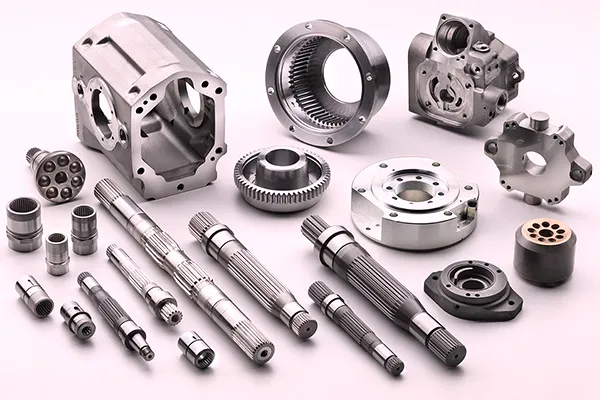
Noise over 85 dB indicates gear wear in dusty Western Australia. Leaks signal seal failure in Queensland rains. Torque loss points to backlash over 15 arcmin in clays.
Vibration above 3.5 mm/s suggests bearing issues in South Australia rocks. Overheating beyond 90°C hints lubrication problems in Northern Territory heat.
Frequent limiter trips show mismatch in Victoria. Inconsistent RPM means stripping. Ignoring causes $700 daily loss in Tasmania. Inspect per ISO.
Related Products and System Compatibility
- ✓ PTO Shafts: With shields, telescopic, star yokes for 2500 Nm. Compatible with ever-power for Western Australia. Explore agricultural PTO shafts.
- ✓ Accessories: Chains ANSI #50, sprockets, gears, pulleys, couplings, cylinders. Resist corrosion in Queensland.
- ✓ Machines: Trenchers, harvesters with gearboxes for 3m widths. One-stop cuts costs 18% in Victoria.
Ever-power provides full series agricultural gearboxes and accessories, one-station procurement. Visit agricultural gearboxes.
FAQ
What torque for Australian soils?
For South Australia clays, 2500-3500 Nm avoids stall. Per AGMA, handles roots.
When to replace in wet areas?
In Queensland, if leaks after 5000 hours. IP66 extends, check yearly per acts.
Where is gearbox in Crary ditchers?
Central for power transfer. Suits Western Australia drainage.
Why bevel gears?
Redirect power 90 degrees in Victoria slopes, 95% efficiency.
Who benefits from PTO setup?
New South Wales farmers with 80 HP tractors, shields avoid injuries per AS.
How to maintain in heat?
85W-140 oil, change 400 hours in Northern Territory, prevents wear.
What compatibility with Kubota?
BX series for Tasmania, handles 2000 Nm for small ditches.
When vibration indicates problems?
Over 3 mm/s in South Australia, bearing wear; inspect ISO 10816.
Where to find replacement parts?
Ever-power stocks seals, bearings for Queensland, quick delivery.
How does it comply with local regs?
AS 4024 guards for Victoria, prevents accidents per WHS.